The authentic and timeless world of Ralph Lauren
December 2025
RL/Men

Two Minds, One Hat

Can an Englishman wear America’s favorite head covering and still keep his dignity?

By Alex Bilmes
Maybe 10 years ago, on a Friday evening, my wife returned home to London from a business trip. She came bearing gifts. T-shirts and sweets—OK, candy—for the kids. A chew toy for the dog. And, for me, a baseball cap, bright red, with a loopy capital P stitched into the crown. Great color, cool logo. No idea, then, what the P stood for—hadn’t she been to Chicago?—but I put it on, made a goofy dad face. Then I took it off and put it away with the other baseball caps I owned but never wore. Because I was, and still am, the kind of man who occasionally buys stuff he’d wear if only he was the kind of man who could get away with wearing that kind of stuff. And sometimes, knowing this about me, other people—well, my wife—buy me that stuff, too, the stuff I’d wear if I was the kind of guy who could wear that stuff. She didn’t expect me to do anything with it except look pleased, say thank you, and add it to my collection of the Great Unworn. I love Americana and like the rest of the known world I’ve been wearing the staples of American style—jeans and T-shirts and trainers (OK, sneakers)—since before I was old enough to tie my own laces. Those items are so commonplace now they have become entirely deracinated. You don’t think of San Francisco when you pull on a pair of 501s. They belong to the world. Not so, I always felt, with the baseball cap. That still feels, to me, particularly and peculiarly American—in a way that makes it seem harder to pull off, and consequently to put on, for those of us from across the pond, than those other ubiquitous items. It’s to do with authenticity, I suppose, and identity: who you believe yourself to be, and who you wish others to believe you to be. For that reason, among others, my feelings for the baseball cap—my feelings for it concerning its suitability to sit atop my head—have always been complicated, and only lately resolved. Resolved in the hat’s favor, I should say, but let’s come to that slowly, as I have.
English I may have looked and sounded, and English I felt, but I was conducting a passionate affair with a foreign power.
I grew up in a genteel suburb of southwest London, a pale and reedy youth, recognizably a native son. English I may have looked and sounded, and English I felt, but I was conducting a passionate affair with a foreign power. I had fallen for America: American music, American movies, American writing, food, architecture, iconography. American style. Everything, in fact, except American sport, to which I had no access at all. And the cheese, obviously. (What’s up with American cheese?) I figured I could get away with the basics, the jeans and T-shirts, like everyone else I knew. But there were no baseball cap wearers among the men in my life, to show the way. My father had a hat for every occasion except attending a baseball game, which would have been an inconceivable occurrence, for both of us. I must have been 12 when I bought my first baseball cap. Not in imitation of a sportsman or to declare my allegiance to a franchise. The only professional baseball player I could have named then was Sam Malone from Cheers, and he was retired. Instead, my baseball cap exemplars were the rappers who had lately exploded out of New York, grabbing the attention of even the most bookish of London schoolboys. Mine was, inevitably, a Yankees hat, navy blue with the famous white lettering. I felt instantly that it was a mistake. “One size fits all,” it said on the label. Somehow that generosity seemed to exclude me. I didn’t know a curveball from a pretzel, and while I revered the pioneers of rap, as we all should, I was unlikely to be mistaken for one. Who did I think I was, pimp-rolling the leafy streets of Richmond-upon-Thames? Chuck D?
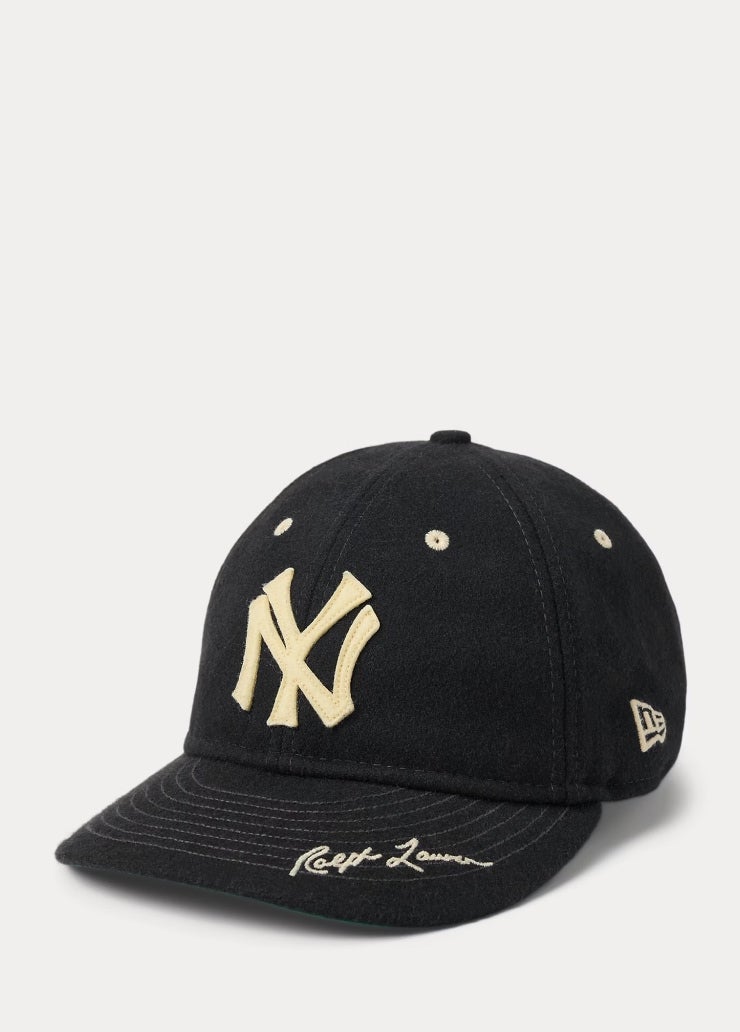
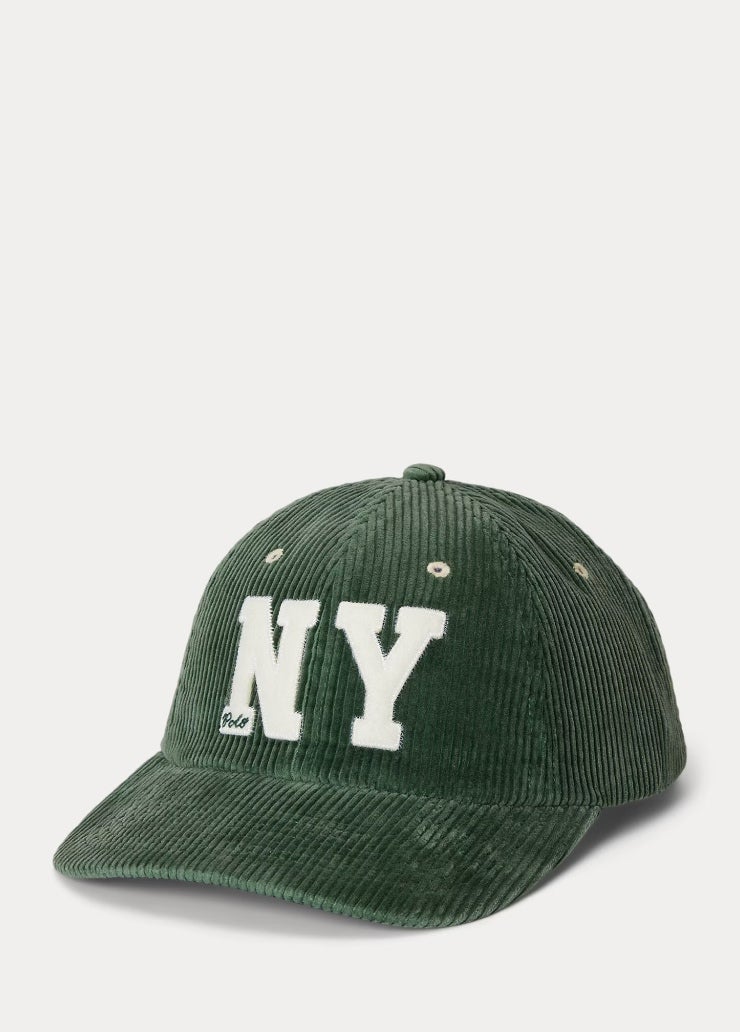
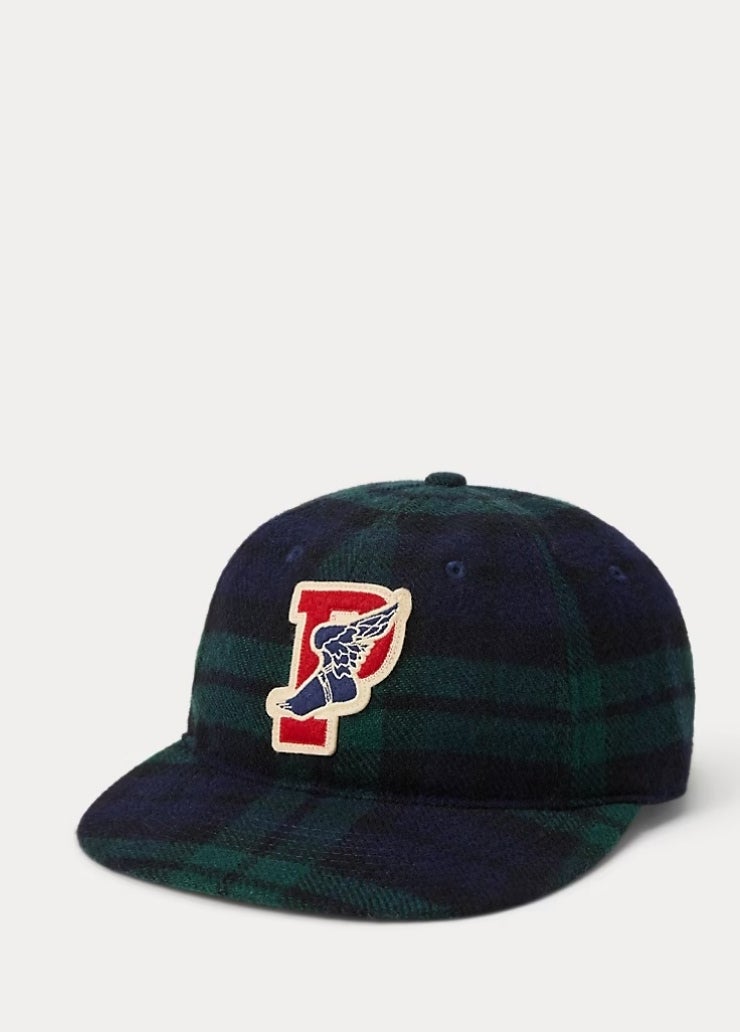
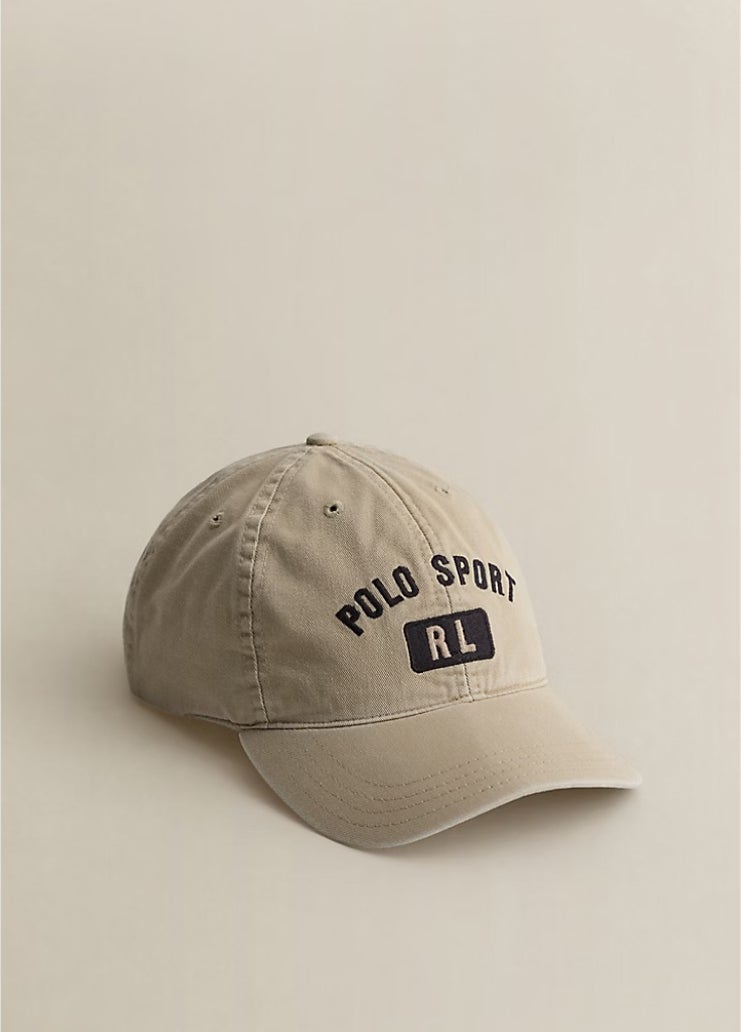
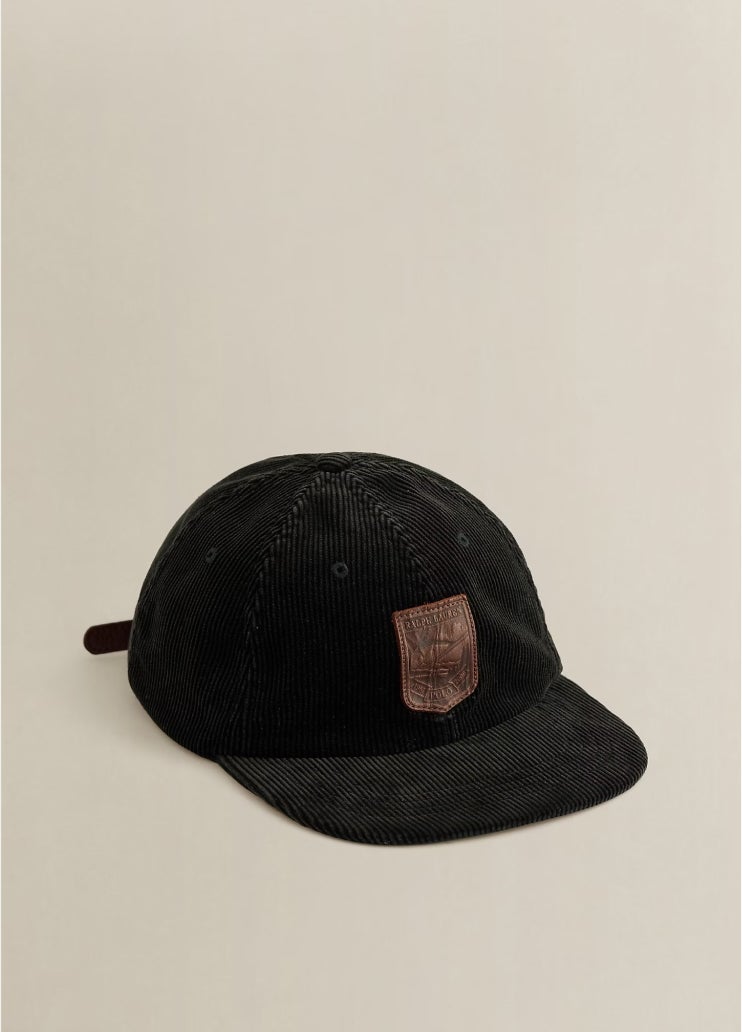
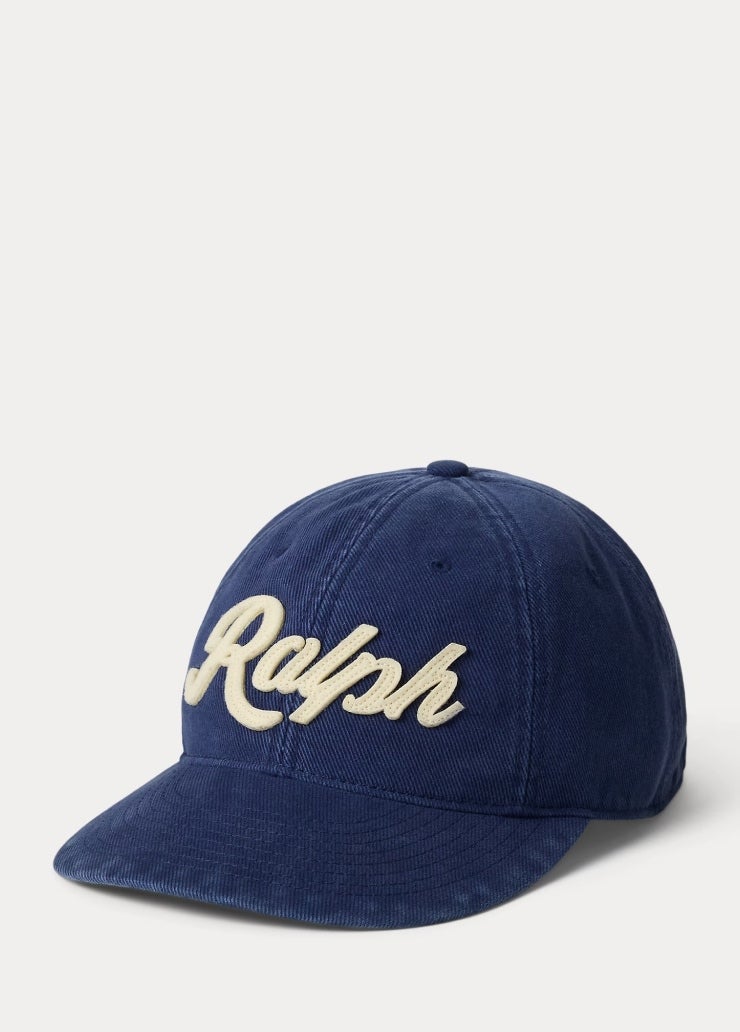
The Ralph Logo Twill Ball Cap
C$115.00
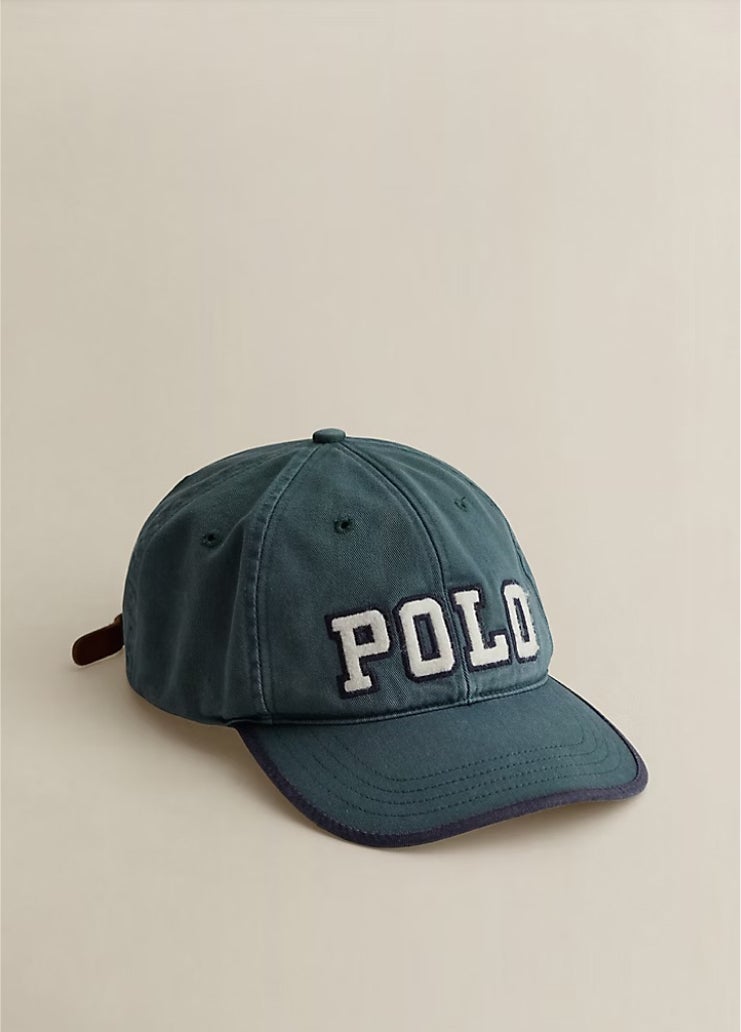
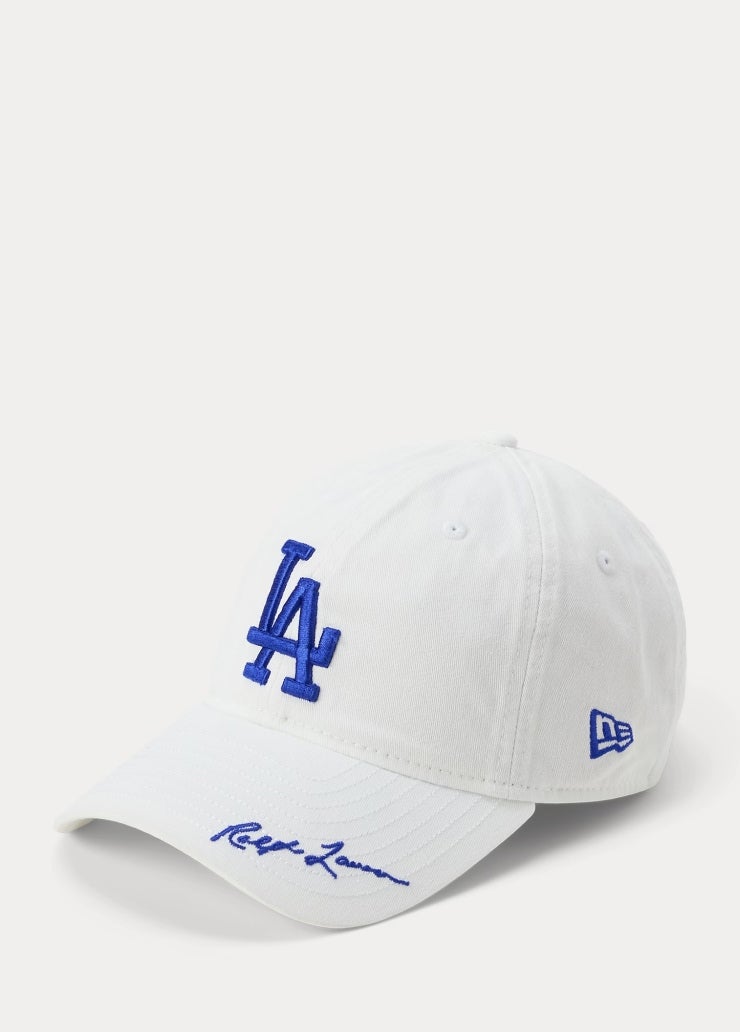
Wool-Blend Ball Cap
C$198.00 C$169.99
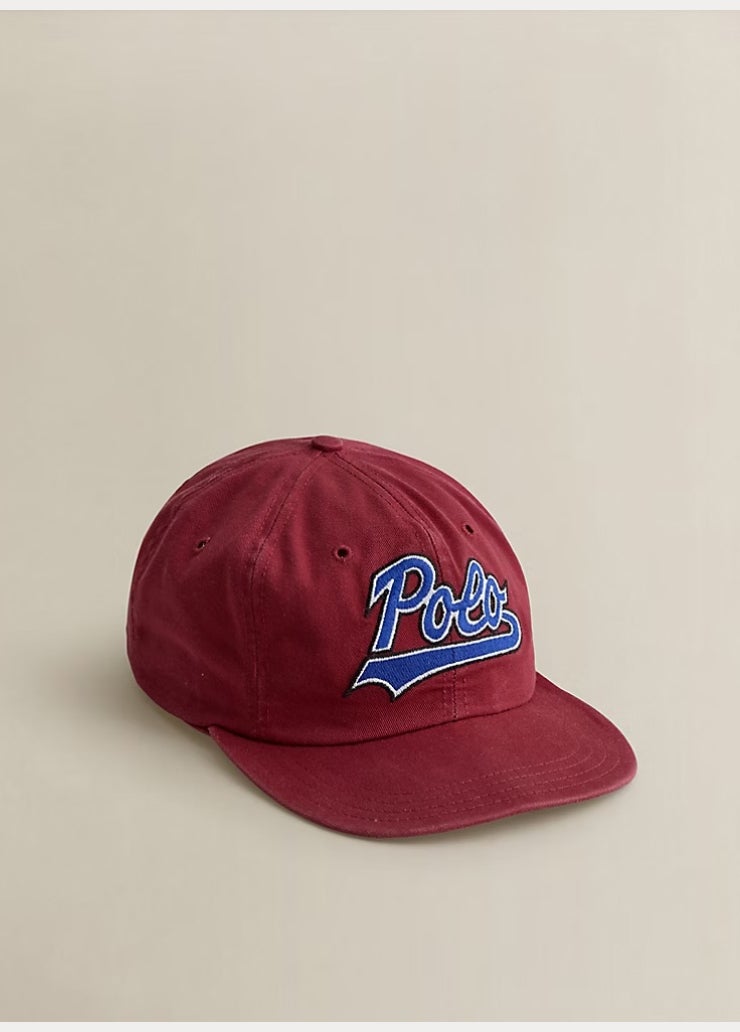
The Ralph Logo Twill Ball Cap
C$115.00
I loved my hat. I couldn’t wear my hat. It didn’t bring me closer to my heroes, those human megaphones from Brooklyn and the Bronx. It only served to highlight the gulf between us in experience, attitude, and poise. In the years that followed, many of my fellow Englishmen affected the style of gangsta rappers, with, to be kind, inconsistent results. I sat this period out, head uncovered. Later, in my 20s—the hipster years—London was awash in junior financiers and trainee barristers affecting the look of Alabama truckers. Again, couldn’t do it. An Englishman in a baseball cap? It was like a bulldog wearing a bow tie. Cute for three to five minutes, but then you remove it for him, to restore some sense of dignity. Then, maybe five years ago, everything changed one day. Standing on my tiptoes, reaching blindly into the hidden recesses of a wardrobe—OK, closet—I dislodged a loose shelf and brought down upon my head a cascade of perhaps a dozen baseball caps. I dusted off a pale denim number with a dodo decal and left the house without even a glance in the mirror. I’ve been wearing them ever since. As you get older, if you’re doing it right, you get looser instead of tensing up. You become less conventional, less hidebound, more open to indulging your own eccentricities, making your own personal declarations of independence—something, we Brits know, you Americans are very good at.
I don’t wear a baseball cap every day, but maybe a couple of times each month, when I’m in a jaunty mood, I cap up before I head out. The key, I’ve found, as with so many things in life, is to dress it up, not down. A baseball cap should finish an outfit, not start it. Sure, you can wear one in the summer with shorts and a T-shirt. But in the autumn—OK, fall—with cords, a cashmere sweater, maybe a tweed jacket, some good boots, that’s when a great hat begins to earn its keep. They bring color and playfulness and buoyancy to even the grayest days—of which we suffer quite a few, over here. I still believe the Englishman who wears his baseball hat as a second skin, as if born to it, like an Affleck or a Denzel, makes a category error. Instead, the cap should be employed judiciously, as what it is: an affectation, and no worse for that. Just the other day I watched an interview with the dandy English singer-songwriter Jarvis Cocker, frontman of the band Pulp. He was wearing a micro-check suit jacket with ’70s lapels, almost certainly vintage, wide-wale dark chocolate cords, a navy shirt, loosely knotted silk cravat, and his trademark thick framed specs. Covering his straggly hair, a battered beige baseball cap. He looked like a man who got halfway to a poetry reading and decided the hell with it, might as well go fishing. He looked great.
Because I was, and still am, the kind of man who occasionally buys stuff he’d wear if only he was the kind of man who could get away with wearing that kind of stuff.
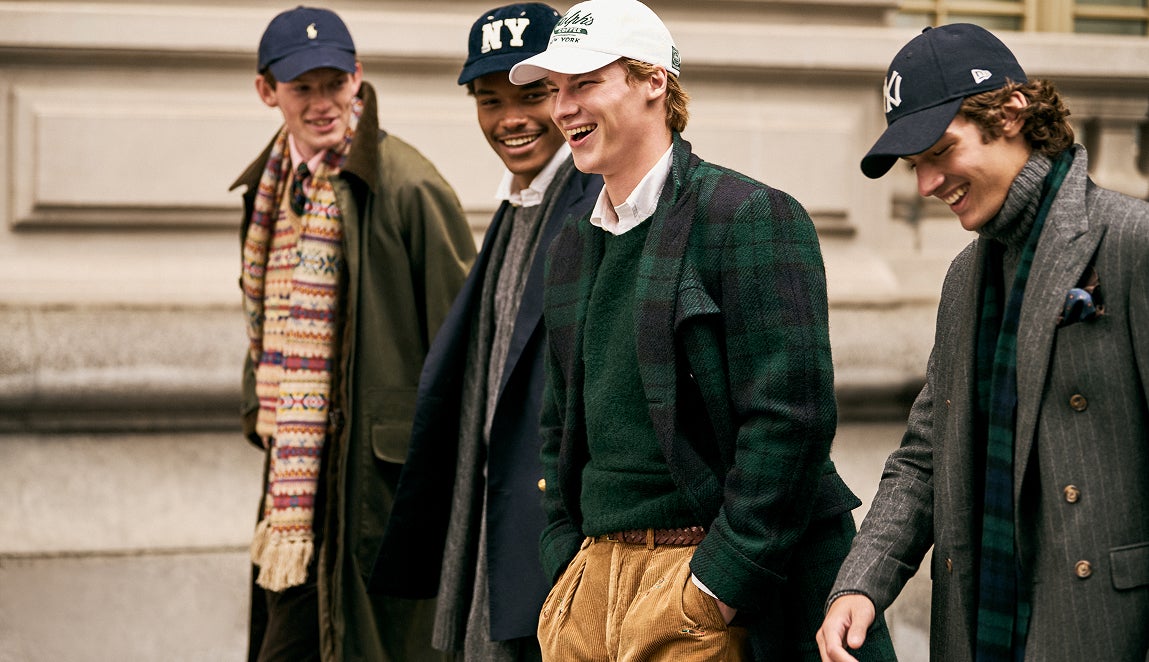
He looked great because he understands that the baseball cap, like all the American standards, is truly democratic. And yet there exists a hierarchy of hat, a snobbery which dictates that the more arcane the source of your baseball cap, the more sophisticated you are. A cap advertising a venerable Paris bistro; an obscure London literary journal; an exclusive Colorado ski resort; a lesser-known Greek island; a hip Melbourne gallery—anything far-flung and IYKYK In London right now, you see chic women wearing not the standard Yankees hat but the MoMA version. It says: I like art, and I’ve been to New York. Perhaps only canvas tote bags—Shakespeare & Co; the London Review of Books—have an equal ability to telegraph taste, discernment, and cultural savvy at a similarly attractive price point. I like to pretend to resent this rather gauche display—but I’m a sucker for it, too. Two summers ago, in New York on assignment for a magazine story, I went one better than the MoMA Yankees cap. On a free day, I took a train from Grand Central to Beacon, and the Dia gallery there, to take in some art. In the gift shop I bought a Dia baseball cap, in pigeon grey, smug in the knowledge that at home in west London I would be the chicest dog walker in my local park. Back in the city that evening, before leaving for dinner with the subject of my article, I gussied myself up in my hotel room, as one should when preparing to meet a person venerated for their world-class sense of style. I put on my new Dia hat. Too much? I took it off. Oh, for Pete’s sake! I put it on again. I waited for Winona Ryder at a bar in Brooklyn. She showed up wearing a straw sun visor. To which even the most committed baseball cap aficionado can only say: Hats off!

Alex Bilmes is a writer and editor based in London. He is a contributing editor to the Financial Times’s HTSI and previously edited British Esquire.