The authentic and timeless world of Ralph Lauren
Fall 2026
RL/Culture

Close Encounters

Coming into the country of John McPhee, master storyteller of the great outdoors.
By Hilton Als
I’m ashamed to admit how long it’s taken me to read John McPhee, and how fear can keep you from the good things in life, including reading John McPhee. My fear was science-based: I knew nothing about geology, one of his great subjects, so, I stayed away. But that’s not entirely true. I remember reading Brigade de Cuisine, his great profile from 1979 in The New Yorker, about the chef “Otto”—he made the name up to protect the guy’s anonymity—and marveling not only at the great humor in it, but how dexterous McPhee’s language was. He could make sentences that not only made you see the chef cutting and dicing and mixing and being; he inspired memories of your own when it came to that great pleasure—eating—and the world it grew out of. I was just 18 when the piece came out, and already McPhee had been publishing in the magazine for more than 20 years. I was a devoted New Yorker reader since I was in my early teens, but other than Brigade, I never read McPhee; I would skip over his long reports to get to Pauline Kael or whomever: I didn’t understand the world McPhee was describing because I didn’t understand America because I had never been to it. I grew up in New York, which is to say not America; I didn’t know what was out there aside from my island and the various boroughs. Instead of allowing my imagination to roam free through McPhee’s fields, and over water, and into the homes of people who had “dropped out” and were living in the glorious, scary, and untamed wild, I kept my imagination close, and read book reviews, and The Talk of the Town.
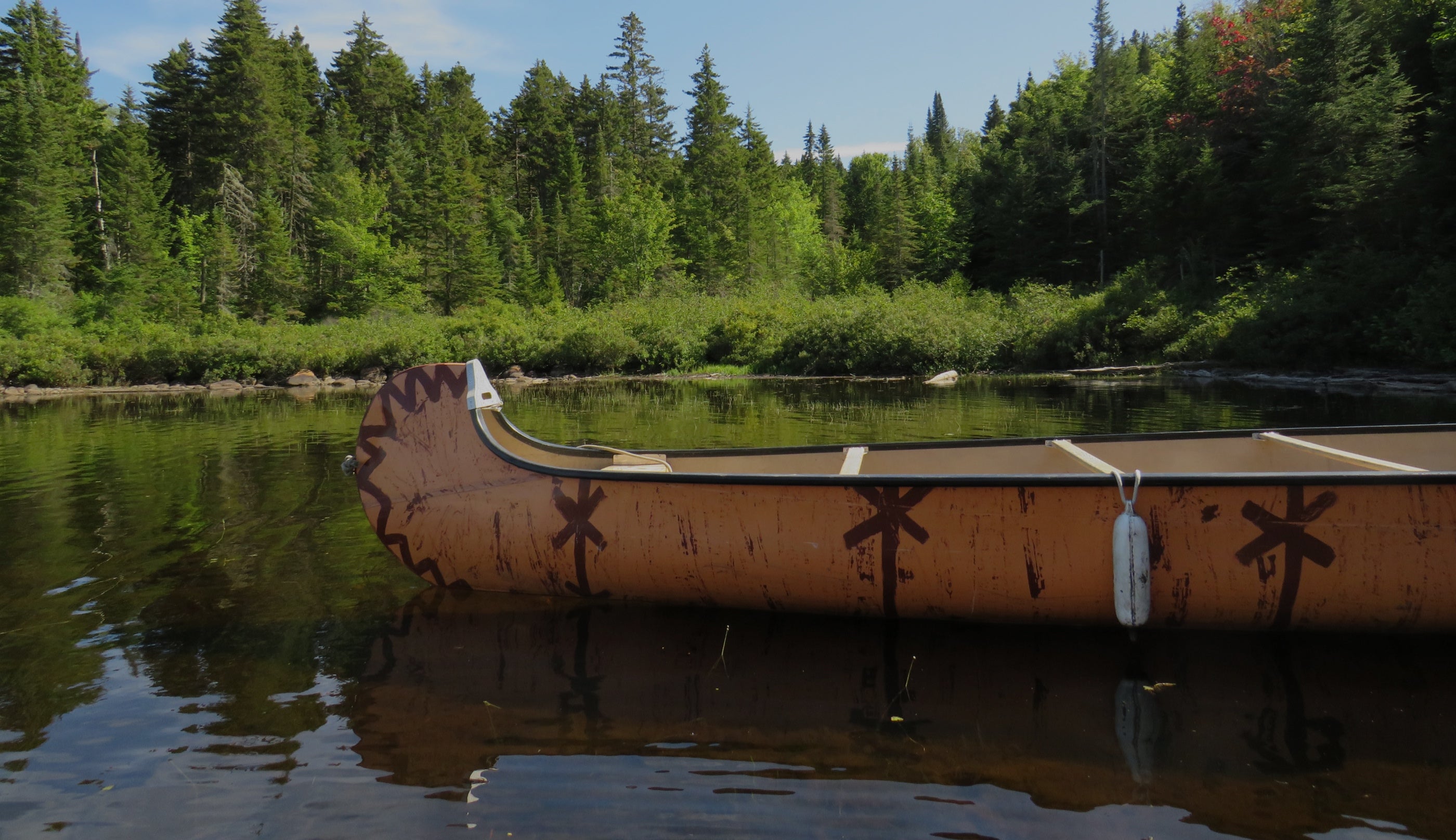
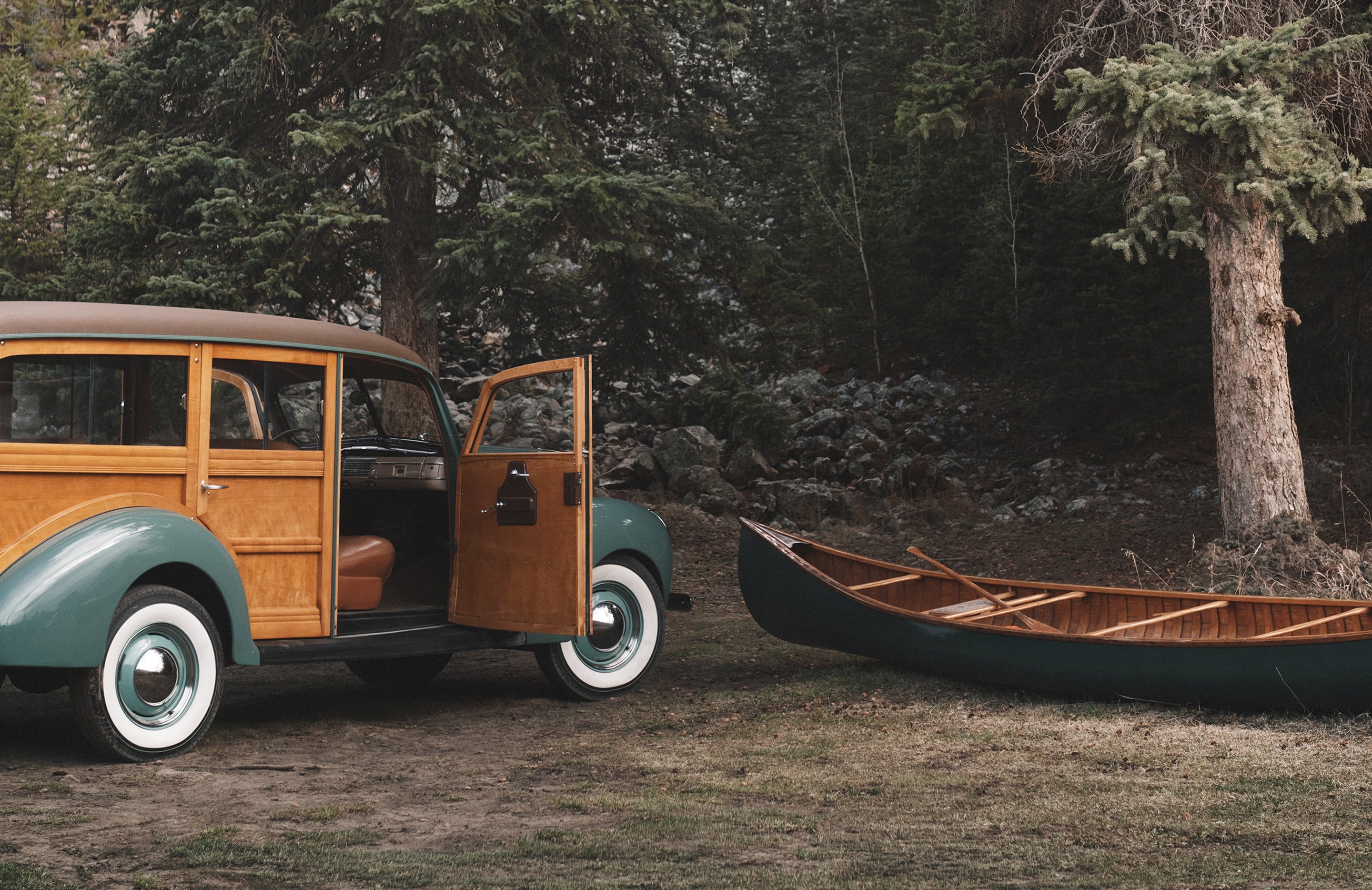
McPhee describes the life and work of a young man named Henri Vaillancourt who is the only person around who makes canoes out of birch.
But if you are serious about reading, you grow up, grow up into the literature that has always been there, waiting for you to claim it and thus yourself. Over the last couple of years, I’ve been giving myself an education—slowly, slowly—about America. Her hills and dales, her blood and shame and triumphs. I teach part of the year in Northern California, and before I started spending time out there, I knew nothing about the ground I’d be standing on for five or six months at a stretch. So, I began to read. And among the first artists I read on the subject was John McPhee. While he’s written a book called Assembling California (1993) about geologic time, among other things, I read Coming Into the Country (1977) first. You can’t accurately describe a work of poetic genius unless you are a poetic genius yourself, but let me just say that in that book—as in all McPhee’s pieces—the writer’s eye and “I” are one; what McPhee sees moves the narrative along as much as his “I,” that fellow who is so curious about us, about the world, you can feel his heartbeat—sometimes jumpy, especially when it comes to bears and bad manners—that you wonder how it was that anyone had the nerve to describe us before McPhee, a superior artist who describes with such precision—and precise empathy—how we love and live and sometimes dream of belonging, as much to another person as a landscape. In a terrific 2010 Writers at Work interview for the Paris Review, McPhee was asked why he writes about so many isolated people. He responds by saying he wasn’t aware of that; what he was aware of, actually, was his attraction to people who were focused on doing work that moved them, had meaning. To me, McPhee is always writing about artists, whether they pick oranges or comb the earth’s surface and think about tectonic plates. He’s also writing about the price artists pay for being themselves, which is to say individuals.
He does not disguise the fact that there would be no him without the genius Native Americans who made vessels that far outstripped the work of Europeans.
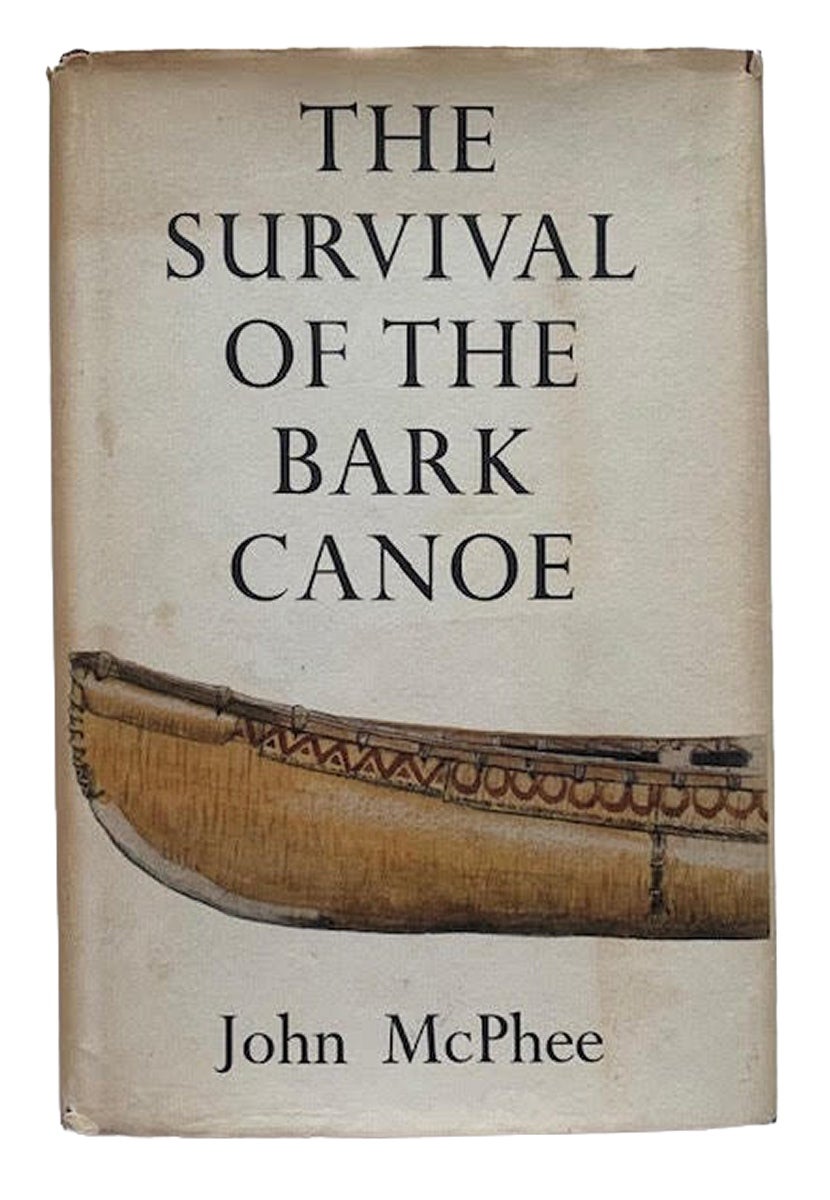
In his fabulous The Survival of the Bark Canoe (1975), McPhee describes the life and work—they are not divisible—of a young man named Henri Vaillancourt who lives in Greenville, New Hampshire, and who is the only person around who makes canoes out of birch bark anymore. Vaillancourt became interested in building canoes because he was interested in Native American life, the ways in which that culture, since the beginning, has navigated and lived near water. He is about 25 when we meet him—and is not a guy you want to cuddle with. Vaillancourt is an artist who has the prickly need for isolation that his art demands. But since Henri’s work is also a craft, he makes canoes for use. He does not disguise the fact that there would be no him without his predecessors—the genius Native Americans who made vessels that far outstripped the work of European builders. And even though it’s not explicitly stated in the book, you can feel McPhee honoring that culture in his writing, too. As a boy growing up in Princeton, New Jersey, McPhee had spent some summers at a camp in Vermont, where, at 8 years old, he began paddling around; that activity has remained one of the great pleasures of the now 95-year-old writer’s life. As McPhee watches Vaillancourt painstakingly build a new canoe, you can feel yourself attaching not only to the scene McPhee is describing, but to the old America he’s standing on. Sometimes, while describing Vaillancourt’s work—searching for birchwood, listening to Beethoven as he shapes an exquisite vessel—you can feel McPhee’s mouth water: look at what we humans can do. And when the artisan says he’s planning a 150-mile trip through the Maine woods, down the Penobscot River and on to the Allagash Lakes, McPhee is game to go—to be with the artist and his craft in his craft. As McPhee and Vaillancourt and two other travelers navigate a primordial world filled with bug sounds, rushing water, and night heavy skies, you become acquainted with Vaillancourt’s short-tempered perfectionism. But this does nothing to minimize what’s happening as you read along: you are no longer yourself “just” reading a piece; you become a citizen in an atmosphere and in a landscape that breathes so deeply minute by minute, you hold your breath as you wait for it to exhale.

Hilton Als is a staff writer at The New Yorker.