In Gee’s Bend, Alabama, American ingenuity takes shape in quilts and the hands that make them.
By Tara Donaldson
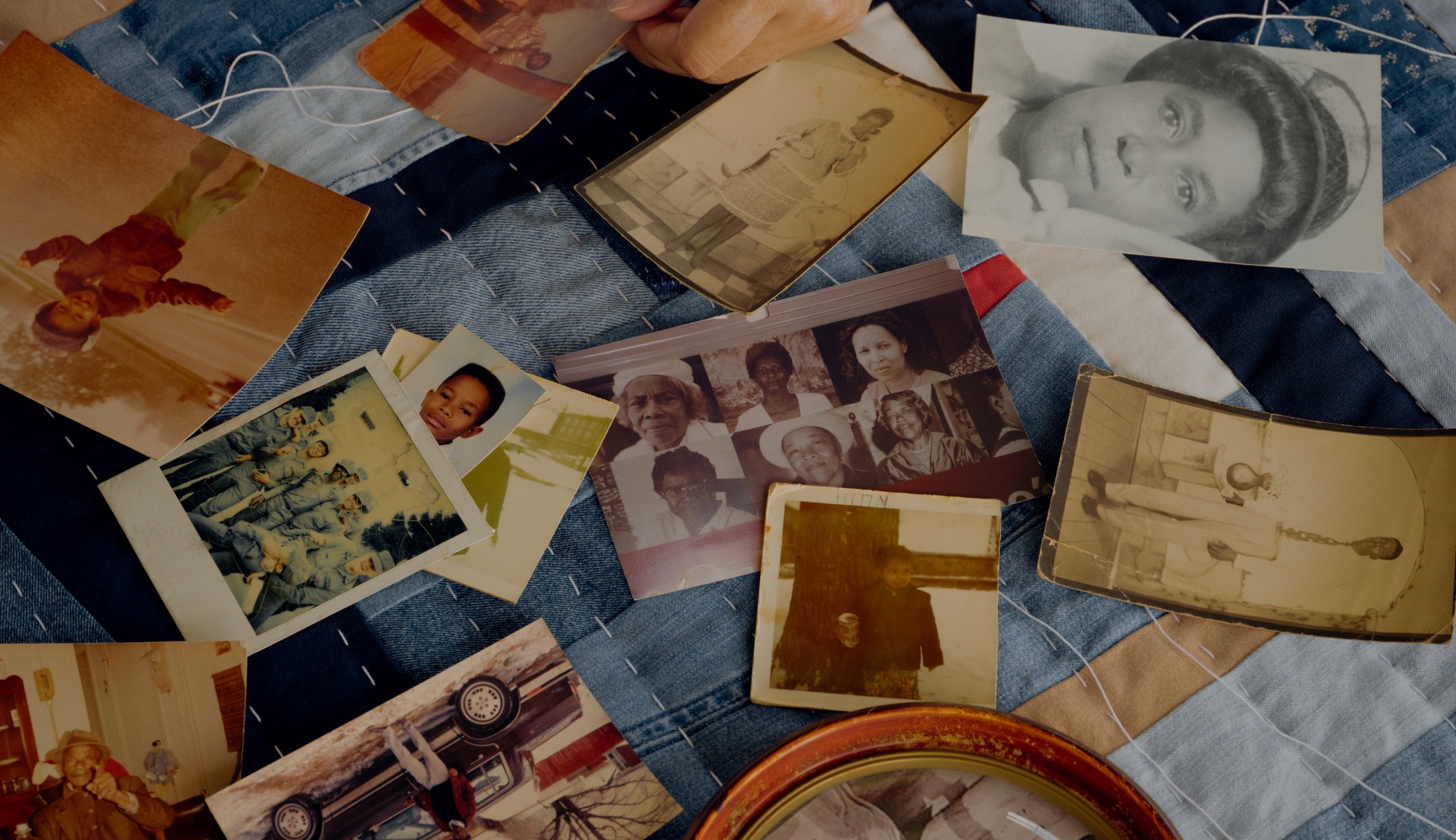
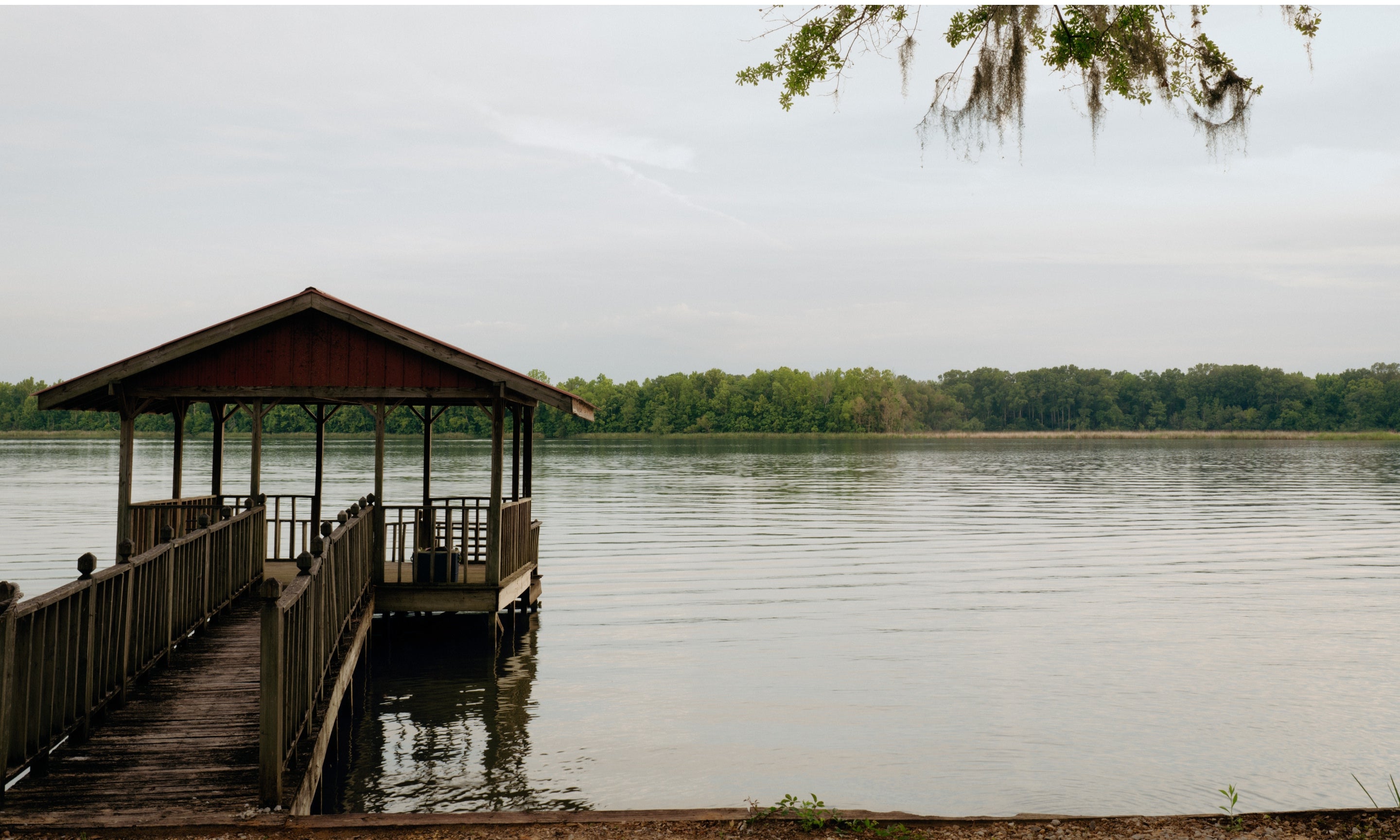
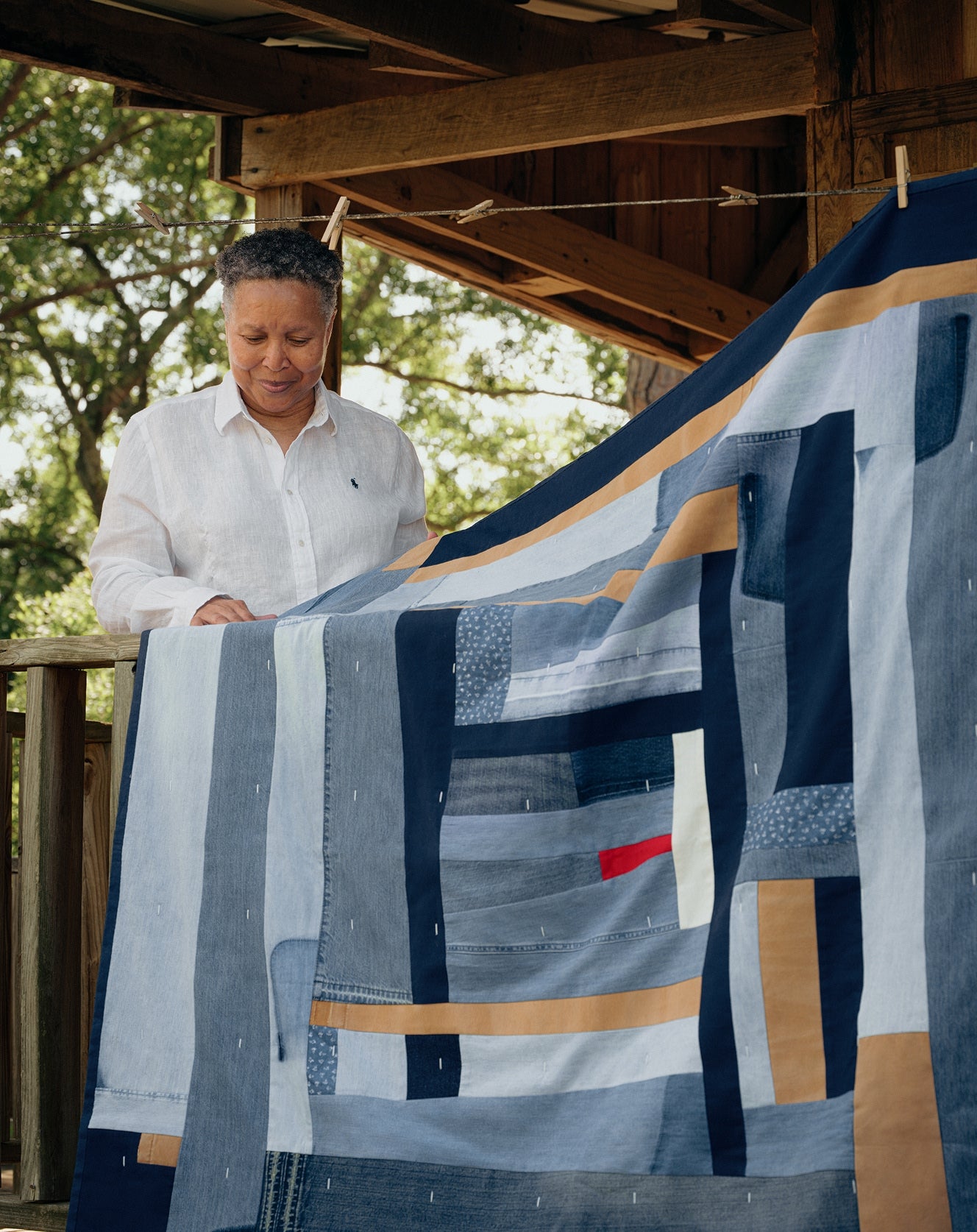
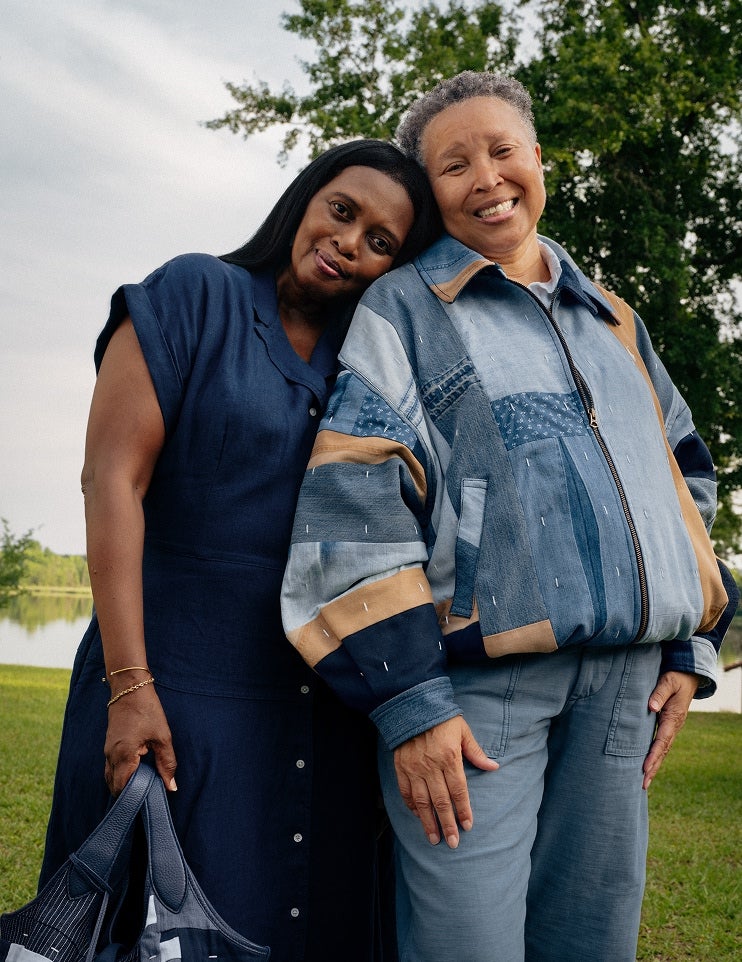
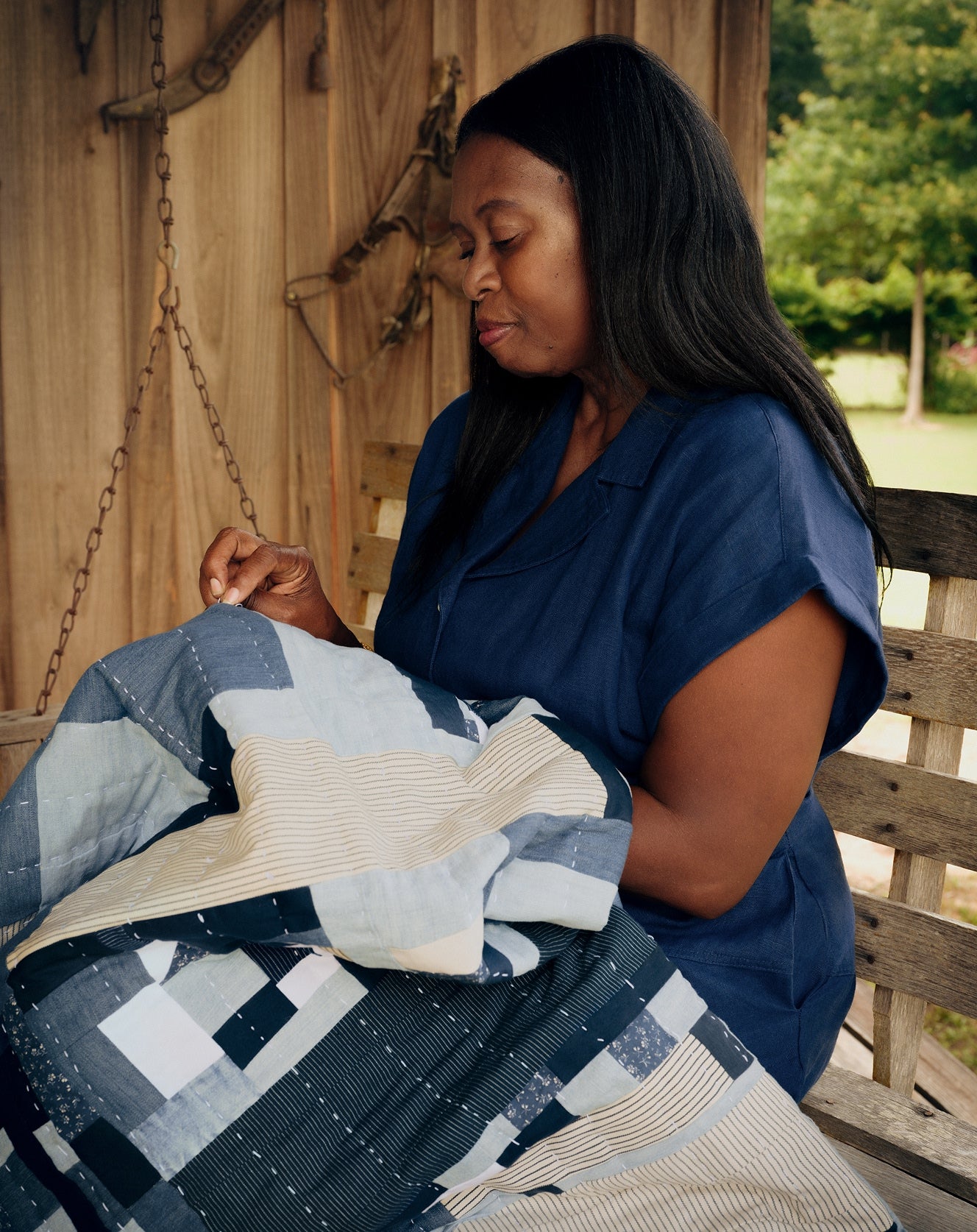
There wasn’t much to make of a child playing beneath her mother’s quilt frames, making believe it was a dollhouse and ducking needles as they passed through the cloth. But what was happening above Claudia Pettway Charley’s head was the sewing of her hometown’s legacy. And her community was helping build it, block by block.Gee’s Bend sits in a curve of the Alabama River nearly two hours from Montgomery, along county highways where fields of green are only occasionally dotted by homes and barns. Here, mist often marks the morning and quilts suspended from clotheslines are a common sight. In this town that goes by Gee’s Bend (though it’s officially Boykin), heritage has meant handing down an art of quiltmaking the women and their ancestors have become globally regarded for. Charley and Loretta Pettway Bennett, two textile artists from the community (no relation), never imagined what would come of the traditions that kept them warm.In 2002, the Whitney Museum of American Art debuted, The Quilts of Gee’s Bend, an exhibition that endeavored to share those stories beyond the front porch. Since then, the artists’ works have found their way into The Metropolitan Museum of Art, covetable private collections—and now, into Ralph Lauren’s latest Artist in Residence collaboration.Quilting is a quintessential American art form and has been part of Ralph Lauren’s design lexicon going back decades, so partnering with Gee’s Bend’s renowned artists felt like a next step in celebrating the heritage that defines this country. The Ralph Lauren x Gee’s Bend collaboration highlights the work of Charley and Bennett, two key contributors to one of America’s most influential artistic communities. The limited-edition collection of apparel and home goods is part of Ralph Lauren’s Artist in Residence program, which partners with artisans whose work has shaped cultural traditions across generations, centering their voices for authentic products and storytelling.
“The women always quilted. They would air the quilts out and show their works. It was a way for the women in the community to get together and talk, to tell their stories and sing around the quilting frames.”
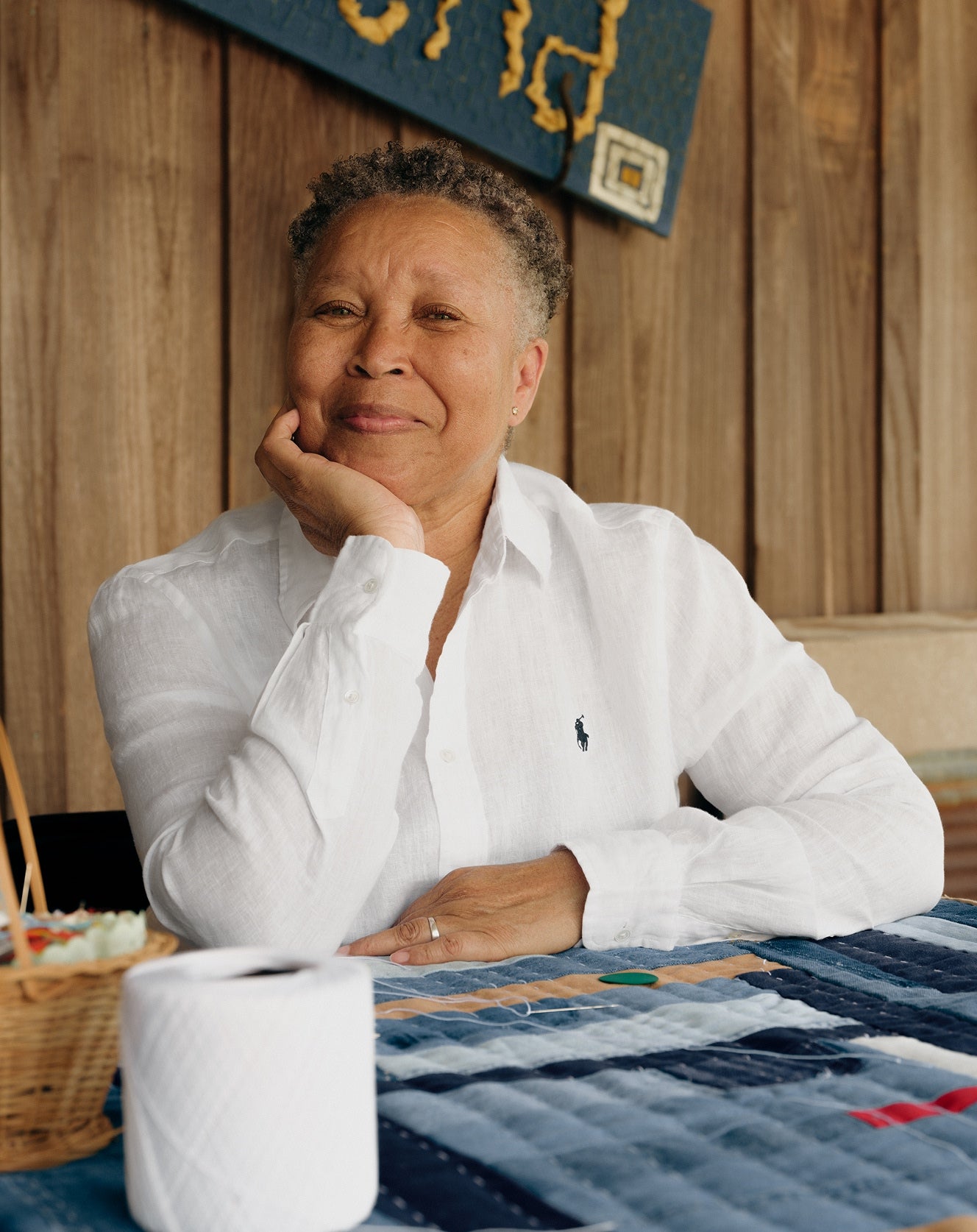
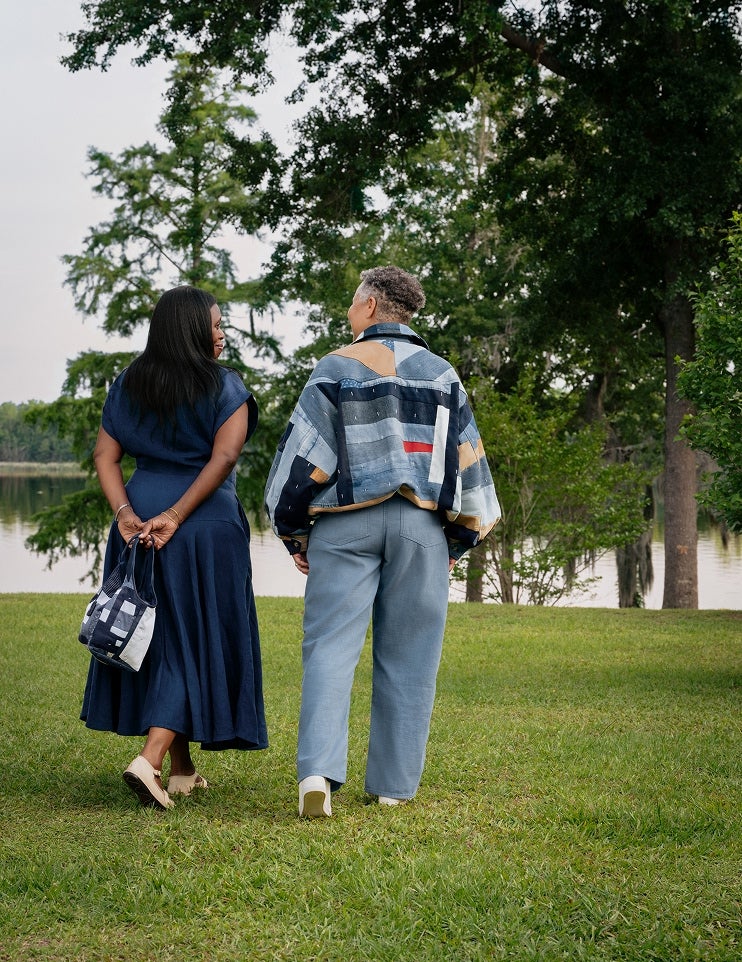
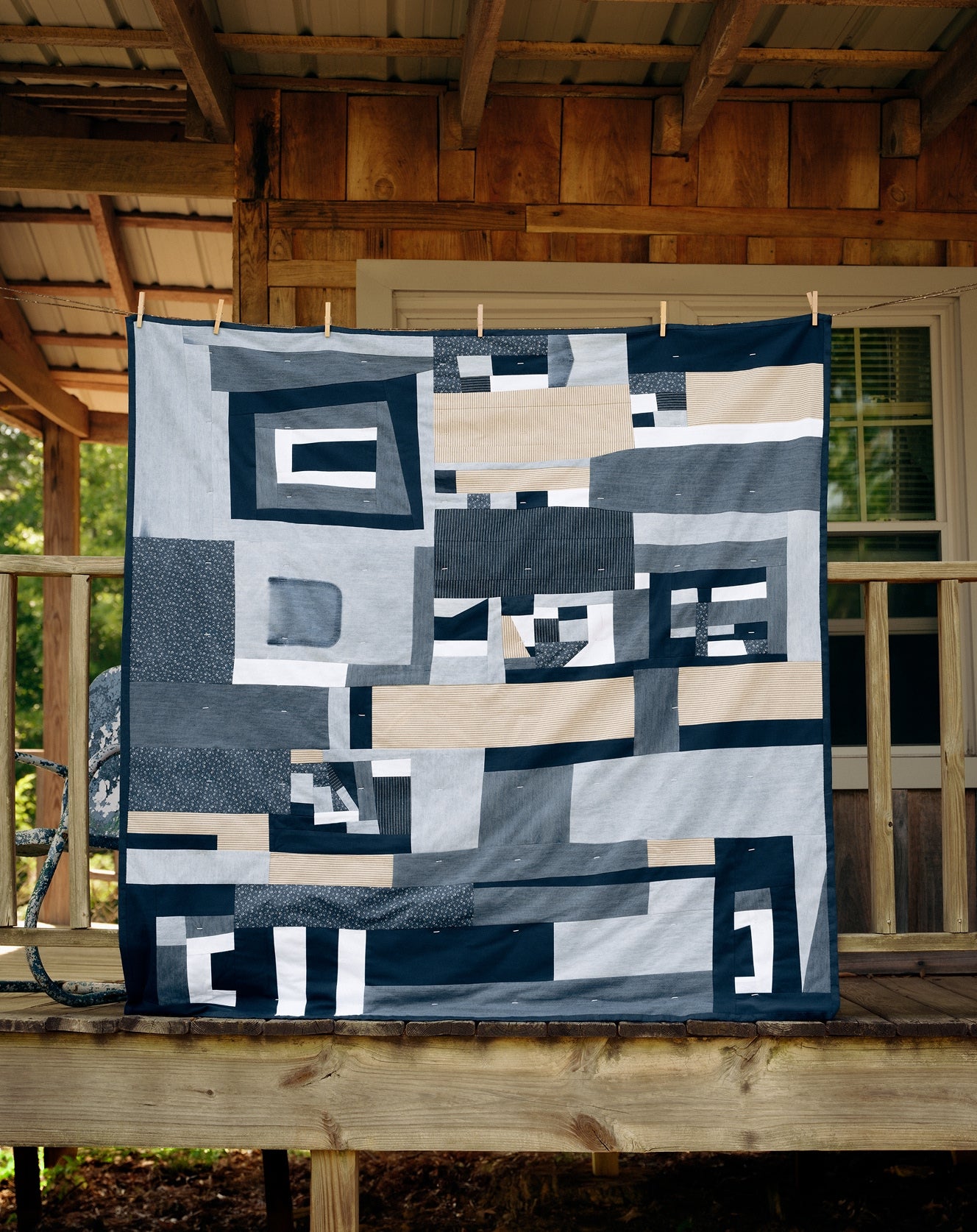
The collaboration is a meeting of the minds where generations of craftsmanship and American ingenuity are concerned, and a recognition that creativity happens all over the country—particularly in smaller places. It’s also a continuation of Ralph Lauren’s ongoing Design With Intent efforts, a key part of its design and creative process that allows for genuine partnership with the communities it’s inspired by.In collaborative design sessions with Ralph Lauren, the artists created original quilt tops from end-of-life Ralph Lauren products that serve as the collection’s foundation, continuing their tradition of upcycling preloved pieces. Signature Gee’s Bend design elements, like bold asymmetry, visible topstitching, and improvisational composition, play out in the collection. Cotton and linen are incorporated throughout, but the collaboration is rooted in another cornerstone of Americana that has long been central both to Ralph Lauren’s design ethos and in Gee’s Bend quilts: denim.“I always love denim because I think about strength and durability,” says Bennett, who has used the fabric in her work for years. “A quilt can last a long time if you take care of it.”The community’s once practical pastime has become a vital example of American artistry and a key point of inspiration for Ralph Lauren. But in its patchwork history is a simpler story of family and togetherness. “The women always quilted,” says Charley, a fourth-generation textile artist from a lineage of master artisans. “They would air the quilts out and show their works. It was a way for the women in the community to get together and talk, to tell their stories and sing around the quilting frames.”
Quilting wasn’t originally about art in Gee’s Bend, where the tradition goes as far back as the 1860s and credits Dinah Miller as the earliest known quiltmaker. “Back then we didn’t appreciate the quilts. We just made it to keep us warm,” says Bennett, whose grandmother handed the tradition down to her. Like the cooking she also learned from her grandmother, quilting was among the essential things women in the community did to take care of their families. Quilts were covers from the cold, and something to pass the time on long summer days when local cotton crops were in growing season and didn’t need tending yet.When people started seeking the artists out in the early 2000s, coming to the area in search of quilts after their work gained wider recognition, Charley knew it needed to be more than that. “It wasn't much work in Gee’s Bend,” she says of the community that had long been known for farming and quilting, though its geographic isolation had kept great commercial success in either at bay. “It was the first time the women were able to earn some type of income from being able to sell quilts, so it took on a whole different meaning.” Furthering Ralph Lauren’s commitment to the community, five percent of the net retail sales price of the Ralph Lauren x Gee’s Bend collection will support the Equal Justice Initiative’s hunger-relief programming, providing direct assistance for low-income families in Alabama.While their reasons for making have evolved with demand, the artists of Gee’s Bend still speak their own visual language—one that works culture into bold geometric compositions, stories into abstract artistry, and color that brings it all to life. They’ve always fashioned art out of what came their way for function. And they’ve always had a way of making repurposed materials decidedly contemporary. Quite often, donated clothing was the medium, but it was about seeing art in the every-day and opportunity wherever it presented itself.
Charley may not be playing dollhouse anymore, but when she goes to the quilt frame now, it’s still about drawing on imagination and heart.“When I start a quilt, my feelings pretty much design,” she says. Her pieces begin in the center and gradually build out. From there, they follow her intuition and evolve organically. If she’s happy, the colors may be brighter. When things are off, she either takes a break or flips the quilt to see things from a new perspective. In a word, Charley describes her work as inspirational. “Each person that looks at it, for whatever reason, should have their own story of how it makes them feel.”Exciting is how Bennett classifies her pieces, which have found their way into major art institutions like The Metropolitan Museum of Art, and onto United States postage stamps commemorating Gee’s Bend quilts. Her work is bold and graphic and has the effect of drawing the viewer in. “I like that when you see it, it’s like you’re mesmerized with it. You can’t take your eyes off of it,” she says. Bennett’s greatest influence came from her mother and her aunt Lucy T. Pettway, whose housetop quilt hangs in The Met. “My aunt Lucy could make any pattern, any quilt that was ever created. I called her the G.O.A.T.,” she says.While their mothers and grandmothers may not be around, their traditions live on in the rural community that still largely approaches the art of quilting the same way their ancestors did.
Quilting wasn’t originally about art in Gee’s Bend, where the tradition goes as far back as the 1860s and credits Dinah Miller as the earliest known quiltmaker. “Back then we didn’t appreciate the quilts. We just made it to keep us warm,” says Bennett, whose grandmother handed the tradition down to her. Like the cooking she also learned from her grandmother, quilting was among the essential things women in the community did to take care of their families. Quilts were covers from the cold, and something to pass the time on long summer days when local cotton crops were in growing season and didn’t need tending yet.When people started seeking the artists out in the early 2000s, coming to the area in search of quilts after their work gained wider recognition, Charley knew it needed to be more than that.“It wasn't much work in Gee’s Bend,” she says of the community that had long been known for farming and quilting, though its geographic isolation had kept great commercial success in either at bay. “It was the first time the women were able to earn some type of income from being able to sell quilts, so it took on a whole different meaning.” Furthering Ralph Lauren’s commitment to the community, five percent of the net retail sales price of the Ralph Lauren x Gee’s Bend collection will support the Equal Justice Initiative’s hunger-relief programming, providing direct assistance for low-income families in Alabama.While their reasons for making have evolved with demand, the artists of Gee’s Bend still speak their own visual language—one that works culture into bold geometric compositions, stories into abstract artistry, and color that brings it all to life. They’ve always fashioned art out of what came their way for function. And they’ve always had a way of making repurposed materials decidedly contemporary. Quite often, donated clothing was the medium, but it was about seeing art in the every-day and opportunity wherever it presented itself.Charley may not be playing dollhouse anymore, but when she goes to the quilt frame now, it’s still about drawing on imagination and heart.“When I start a quilt, my feelings pretty much design,” she says. Her pieces begin in the center and gradually build out. From there, they follow her intuition and evolve organically. If she’s happy, the colors may be brighter. When things are off, she either takes a break or flips the quilt to see things from a new perspective. In a word, Charley describes her work as inspirational. “Each person that looks at it, for whatever reason, should have their own story of how it makes them feel.”Exciting is how Bennett classifies her pieces, which have found their way into major art institutions like The Metropolitan Museum of Art, and onto United States postage stamps commemorating Gee’s Bend quilts. Her work is bold and graphic and has the effect of drawing the viewer in. “I like that when you see it, it’s like you’re mesmerized with it. You can’t take your eyes off of it,” she says. Bennett’s greatest influence came from her mother and her aunt Lucy T. Pettway, whose housetop quilt hangs in The Met. “My aunt Lucy could make any pattern, any quilt that was ever created. I called her the G.O.A.T.,” she says.While their mothers and grandmothers may not be around, their traditions live on in the rural community that still largely approaches the art of quilting the same way their ancestors did.“There are certain designs that have always been attributed to Gee’s Bend, and we continue to use those same patterns or images and do more variations of those styles,” Charley says. The iconic housetop quilting pattern, and blocks and strips layouts are some of the designs uniquely attributed to the textile artists of Gee’s Bend. “We don’t really have to recreate the wheel. It works for us just as it is.”
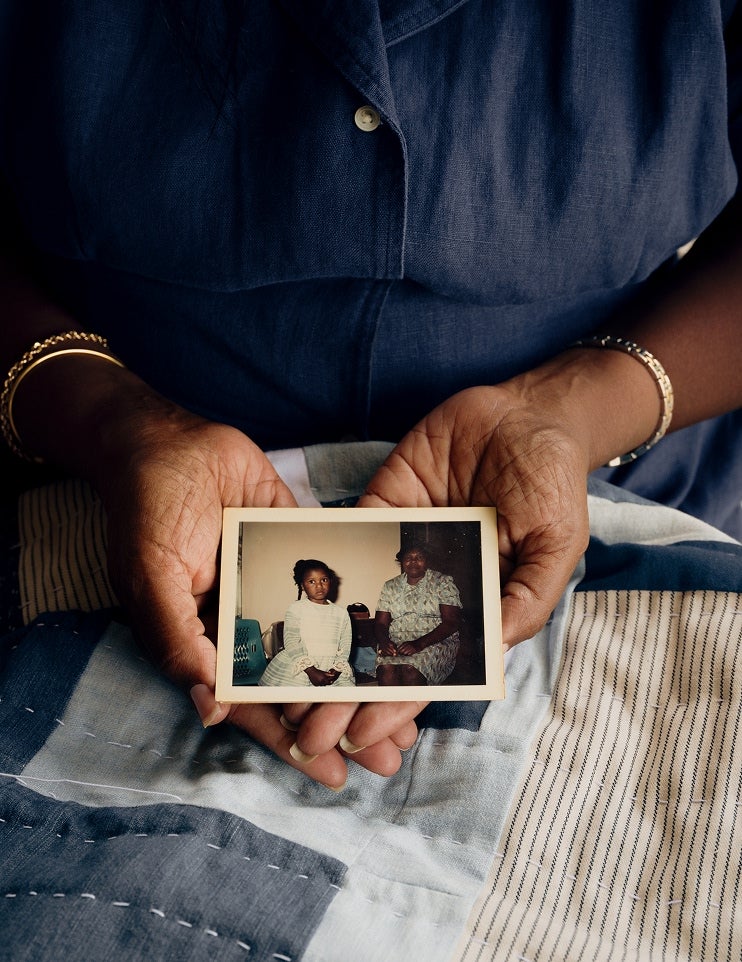
Gee’s Bend pieces are the kind you pass down, that end up in hope chests, that carry stories to grandchildren and their children. The first quilt Bennett ever made, a flower garden pattern too complex for her 12-year-old hands but not for her fighting spirit, went to her brother and passed down from there, lopsided and all, she says. The mutual inspiration at the heart of the partnership with Ralph Lauren is its own story for the artists to pass down to their grandchildren’s children; one of art, yes, but resiliency above all.For Charley, the collaboration is less about the pieces and more about what they represent: broader recognition for generations of artists whose work has long influenced American craft. “To be able to have [Ralph Lauren] come and listen to our stories and want to learn more about who we are and what we do, and just take that in, it is a wonderful feeling,” she says.That feeling has translated into a collection including quilts and blankets akin to what generations of Gee’s Bend residents have covered their families with, a jacket that marries art with style, bringing the distinctive Gee’s Bend look to life in a new way, and a handbag that carries both the artists’ stories and the wearer’s own.More than the fabric, the durability, and the legacy people now know of this out-of-the-way Alabama community, Charley wants people to understand that what they have within themselves is valuable, even if—like the quilts of Gee’s Bend—it takes some time to recognize it.“You never know when something within you could be discovered and turned into something beautiful,” she says, imagining families sitting around at dinnertime sharing food on the plate set that’s also part of the Ralph Lauren x Gee’s Bend collection. “Thinking about the quilts and the warmth of it all, for us it was survival and for them it’s about owning a piece of history. Whether they use it on themselves or frame it on a wall, hopefully they’re able to have a story of their own and how it made them feel when they look at it. So many things could be said from just witnessing Gee’s Bend and everything that’s happened, to what it is now.”“We inherited a talent, a tradition,” Bennett adds. Pieces in this collection, she says, represent a history of the past and now a history of the present. “We are still here.”
TARA DONALDSON is a writer and editor covering fashion, culture, and lifestyle. She is the former executive editor of WWD, and her work explores style as authorship, identity, and cultural expression beyond trends and runways. She is the coauthor of Black in Fashion: 100 Years of Style, Influence & Culture.
More from
Culture
Renewed Glory
How Ralph Lauren helped conserve the Star-Spangled Banner.