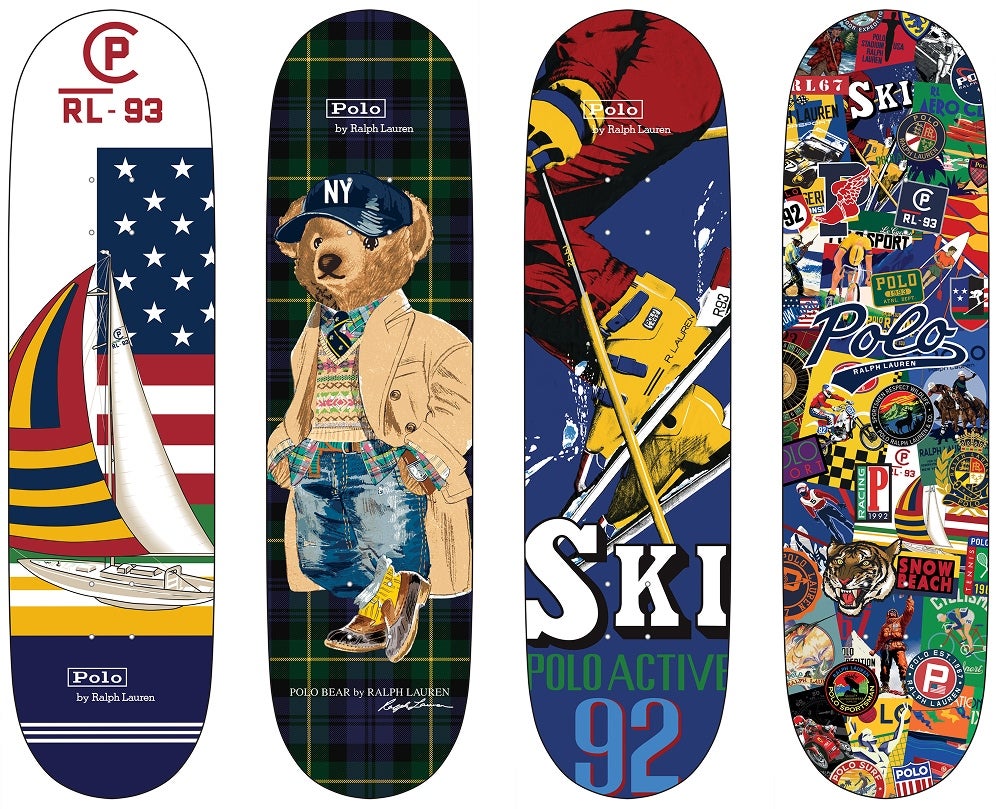
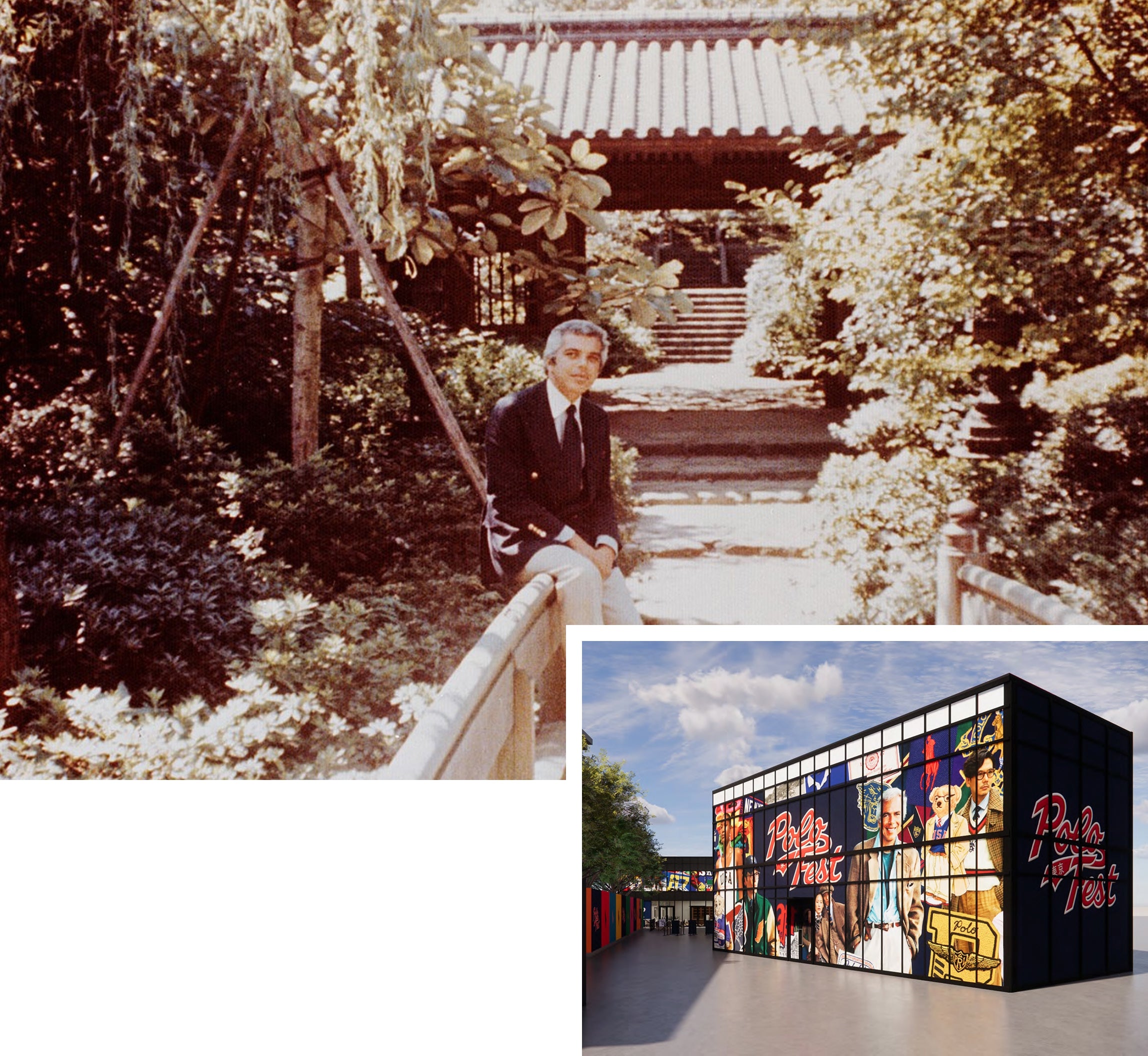
Introducing, PoloFest!
Discover
The Tokyo Connection
The 50-year evolution of Polo in Japan, from original Ivy style influencer and streetwear icon to grail-level vintage collectible.
THE 1960s
In the early 1960s, the Japanese brand VAN Jacket began producing clothing inspired by Ivy League style. The look first caught on with a small group of fashion-conscious teenagers known as the Miyuki Tribe, who hung out in Tokyo’s Ginza district. As Japan prepared to host the 1964 Summer Olympics, authorities viewed these unsupervised youths with suspicion. In a widely publicized series of police roundups, kids dressed like students at Yale were removed from the streets, and “Ivy” briefly became associated with teenage delinquency.
Faced with this unexpected backlash, VAN set out to redefine the meaning of Ivy style, dispatching a creative team to the United States to document daily life at the eight Ivy League colleges. The result was Take Ivy, which helped establish a more authentic and aspirational image of collegiate style in Japan and remains one of the most influential documents of Ivy style ever produced.
THE 1970s
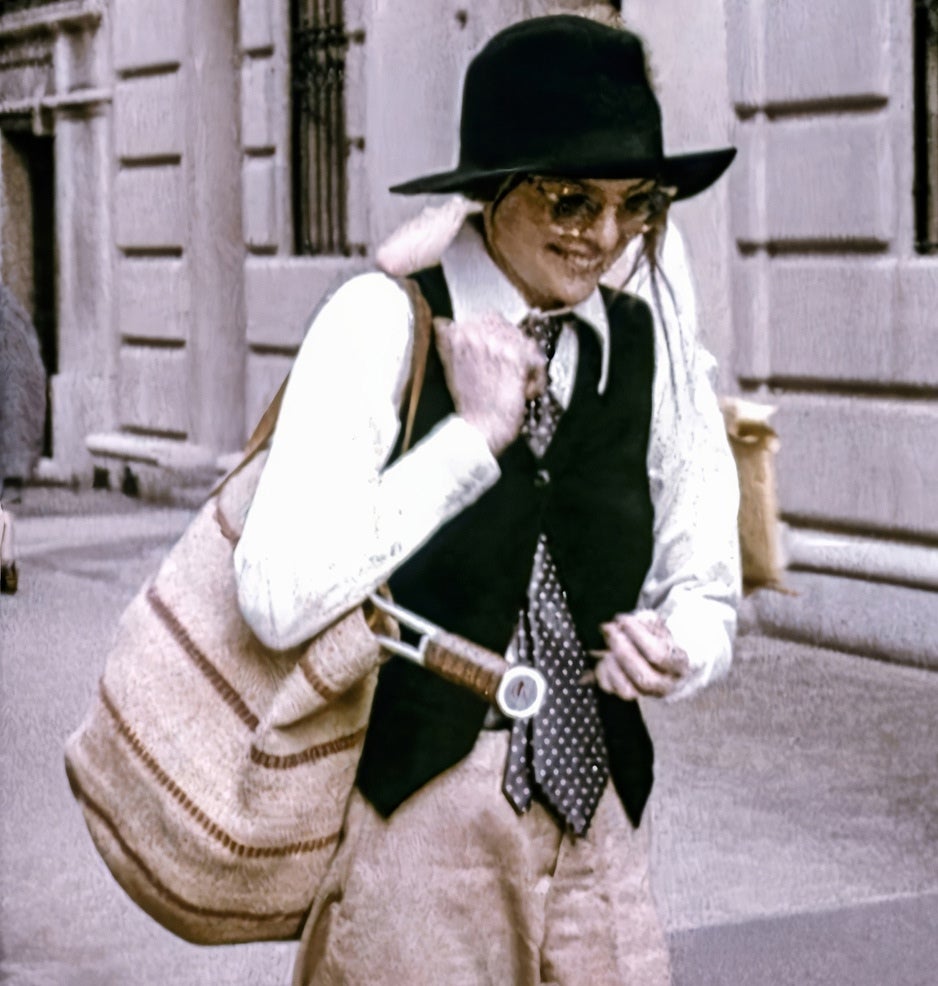
Ralph Lauren begins attracting international attention for his work on the costumes for The Great Gatsby, starring Robert Redford. Following the release of Annie Hall in 1977, the menswear-inspired style of the movie’s heroine, played by Diane Keaton—chinos, oxford shirt, wide tie—became a fashion moment.
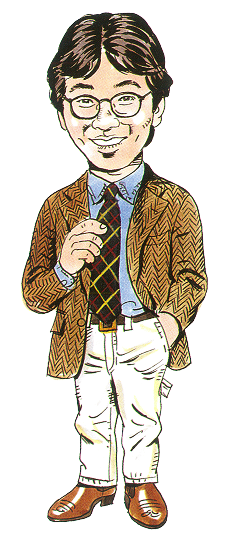
“Polo Ralph Lauren Arrives in Japan!” wrote Popeye magazine, which began publication in 1976, the same year Seibu unveiled a Polo shop within one of its department stores. “New York Style Redefines the Tweed Jacket.” Next to an illustration by Hiroshi Watatani, the magazine described the look as “tweed jackets with chambray shirts and ties, work pants, and either Danner hiking boots or Tony Lama western boots.”
“In Ralph Lauren’s first appearance in a Japanese magazine, the headline reads: ‘Who is Ralph Lauren, the 33-year-old designer who burst onto the American fashion scene like a comet, adhering to the principles of New Trad?’” —Men’s Club, 1974
THE 1980s
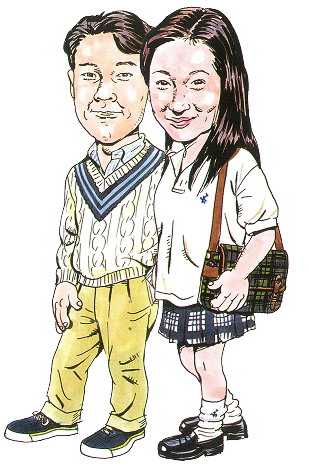
By the early 1980s, “New Trad” had evolved into “preppy,” a younger and more colorful interpretation of classic American style. Rooted in Ivy League tradition yet constantly reinventing its codes, Polo became one of the defining brands of the era. Its blend of heritage, sport, and self-expression resonated with a generation eager to make American style their own.
“For men, the ideal look consisted of logo-free cricket sweaters, button-down shirts, and slim two-pleat chinos. Dating scenes featuring ‘JJ Girls,’ young women influenced by elegant New Traditional and Hamatora fashion, became a familiar sight.” —Popeye
THE 1990s
In the late 1980s, a new youth culture began to emerge in Tokyo’s Shibuya district when the neighborhood became a gathering place for affluent teenagers from the city’s western suburbs. The Polo Ralph Lauren shop at Seibu Shibuya became a defining destination. Drawing on Polo’s preppy foundations while mixing in elements of American casual and motorcycle culture, the look shaped a distinctly local style that came to be known as Shibuya Casual.
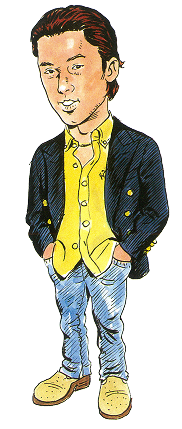
“Kire-Kaji, short for ‘clean casual,’ emerged suddenly in 1990 as a more polished interpretation of American casual style. Central to Kire-Kaji was the navy blazer, which became a defining item of the period.” —Popeye
As demand grew, Ralph Lauren’s influence extended far beyond its official stores. Small amekaji (“American casual”) shops sold parallel imports, while buyers traveled to the United States to purchase Polo merchandise and bring it back to Japan. By the early 1990s, Polo had become more than a symbol of American style. It had become part of a uniquely Japanese fashion culture.

“As American casual fashion fragmented into workwear, military, vintage, and skate-inspired styles, a new label emerged, young consumers increasingly embraced oversized American proportions.” —Popeye
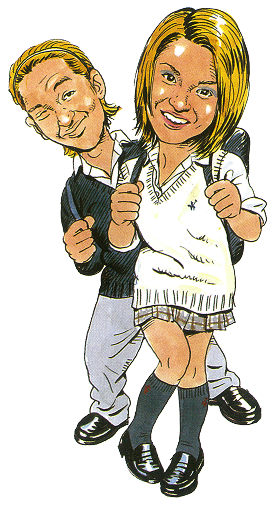
“What is now a standard look among Japanese high school students began in Tokyo during the late 1990s. Among the most coveted items were Polo knits bearing the iconic Pony logo. Students often changed into Polo knitwear after school, and some couples famously exchanged oversized vests as tokens of affection.” —Popeye
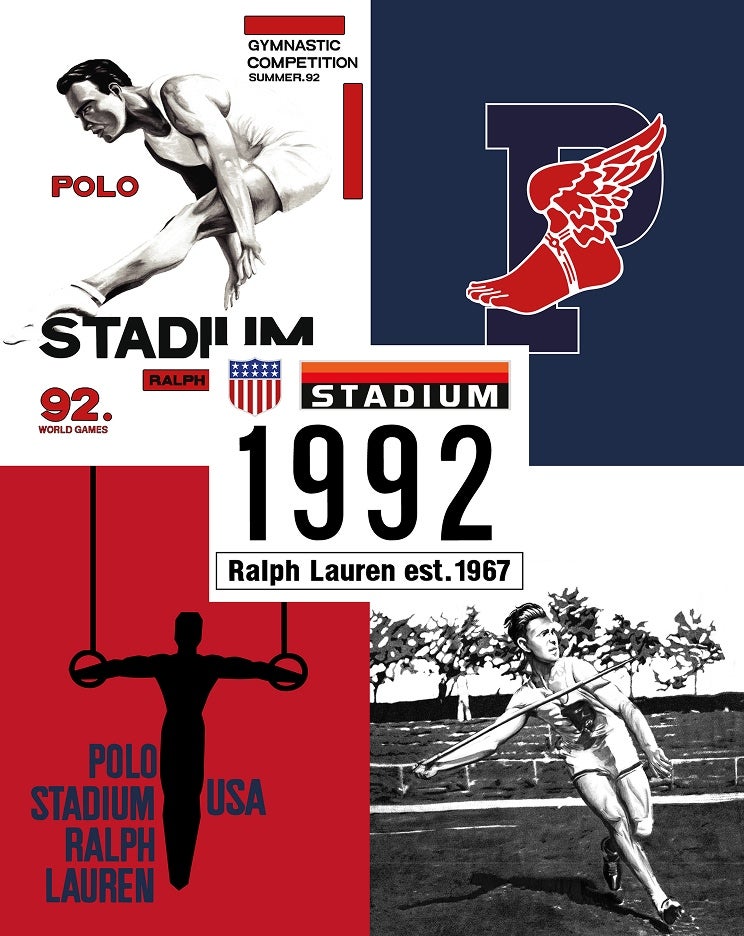
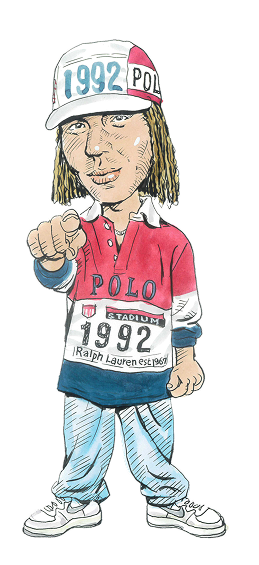
Driven by the growing popularity of hip-hop and the expansion of parallel import stores, young Japanese consumers sought out Polo Sport. One of the roots of this colorful and athletic style could be found in Brooklyn’s Lo Life crew, who emerged in the late 1980s. Their head-to-toe Polo Ralph Lauren looks were introduced to Japan through the hip-hop video program Alive TV. At the time, authentic Polo pieces were difficult to obtain, making collections such as the famous “1992” Stadium series highly coveted.
THE 2000s
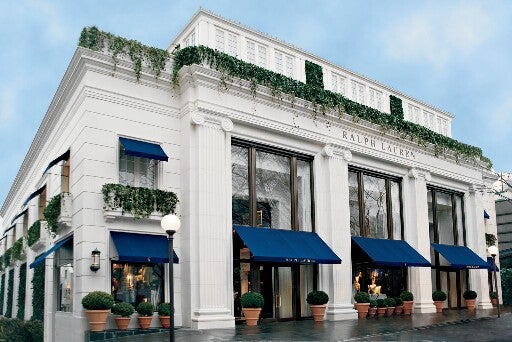
In 2006, Ralph Lauren opened its first stand-alone flagship store in Japan: a 2,000-square-meter mansion on Tokyo’s tree-lined Omotesandō Avenue. More than a retail destination, the store offered visitors an immersive expression of Ralph‘s world, bringing together clothing, furnishings, and lifestyle under a single roof. By this point, Japanese fashion had evolved into a complex ecosystem of styles, ranging from streetwear and vintage Americana to designer fashion. Polo had secured a place within all of them.
THE 2010s
A new generation rediscovered the Ivy League wardrobe: navy blazers, oxford cloth button-down shirts, regimental ties, tennis sweaters, chinos, and cordovan loafers. Polo was uniquely positioned for the moment, offering contemporary interpretations of each. At the same time, the Polo Bear enjoyed a resurgence, crossing easily among different style circles.
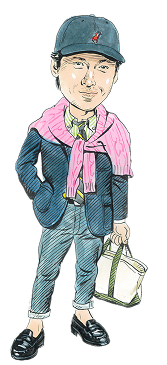
“Rather than faithfully reproducing Ivy style, the ‘new preppy’ embraced relaxed fits and effortless sophistication.” —Popeye
“The Pony-logo baseball cap had long been a staple at import stores and shops such as Harajuku’s Props Store. Around this time, however, its appeal expanded beyond menswear enthusiasts to city girls and young mothers as well.
As the new preppy sensibility became mainstream, people began interpreting traditional style more freely. Polo Ralph Lauren had become a new urban classic, transcending generations and gender.” —Popeye
THE 2020s
Japan’s leading vintage stores began building significant inventories of Polo pieces from the 1980s and 1990s sourced in the United States. A renewed interest in the generous proportions of the clothes from that era leads to the emergence of vintage shops specializing in broad-cut chinos and relaxed tailoring. Thanks to its quality, durability, and distinctive design, Polo proved unusually suited to a second life. The brand increasingly begins to be valued not simply as vintage clothing, but as collectible artifacts of American style.
“The Big Fit modernized preppy style through scale alone. By this point, oversized silhouettes had already become the norm, and vintage enthusiasts regarded 1990s Big Fit pieces as cult classics.” —Popeye
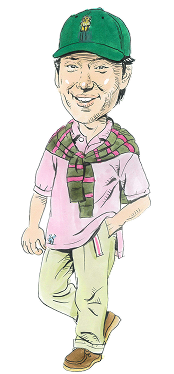
Illustrations by Hiroshi Watatani
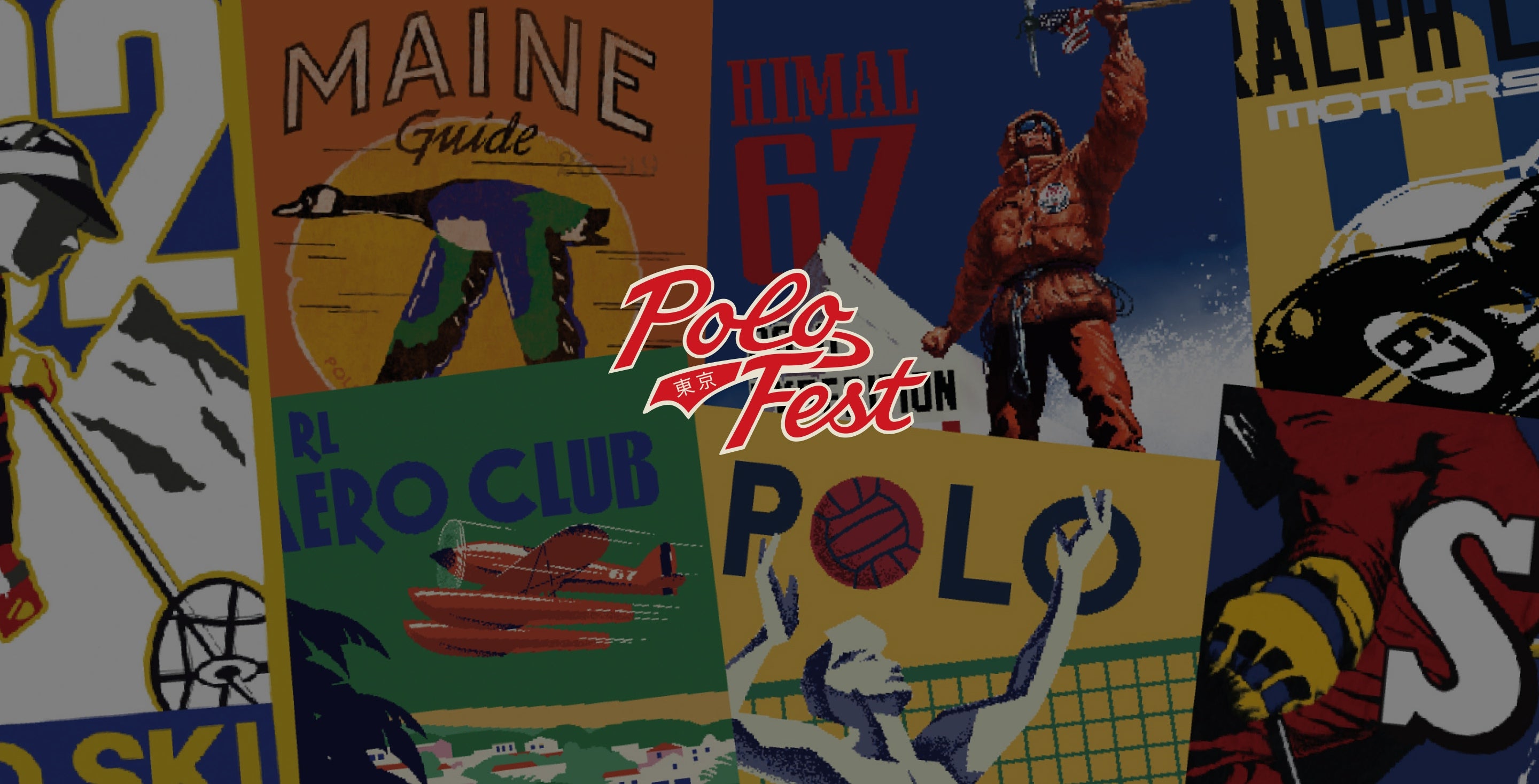
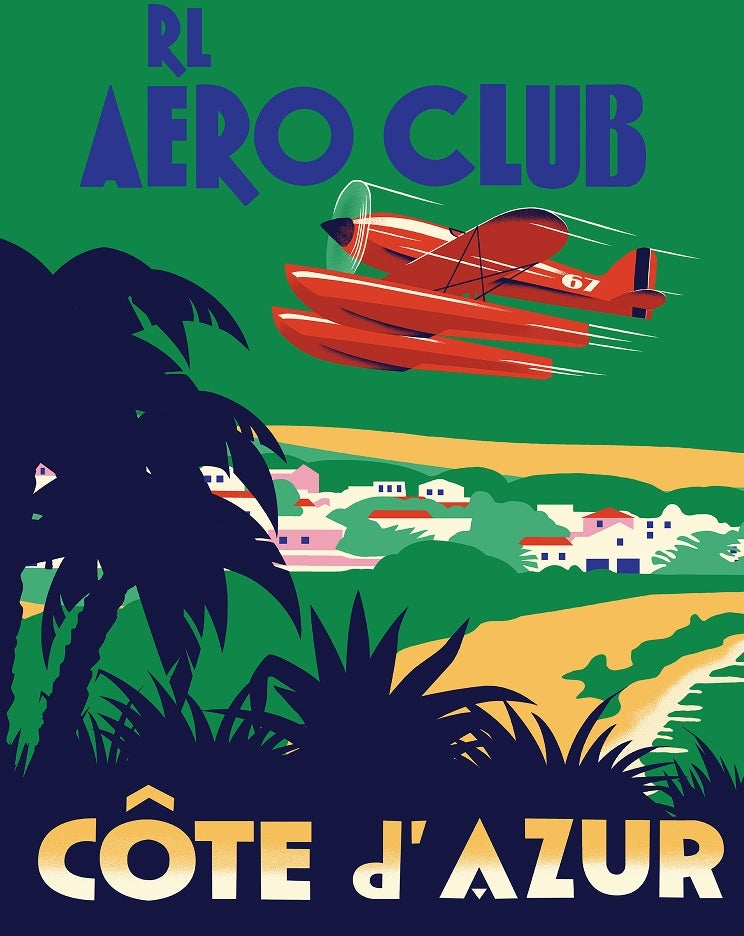
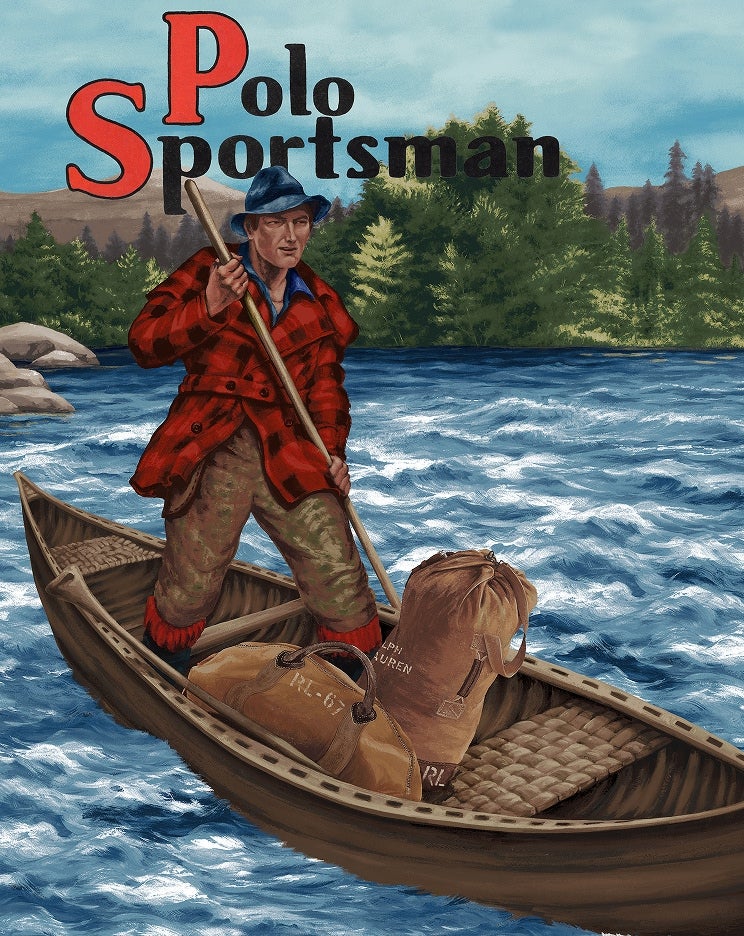
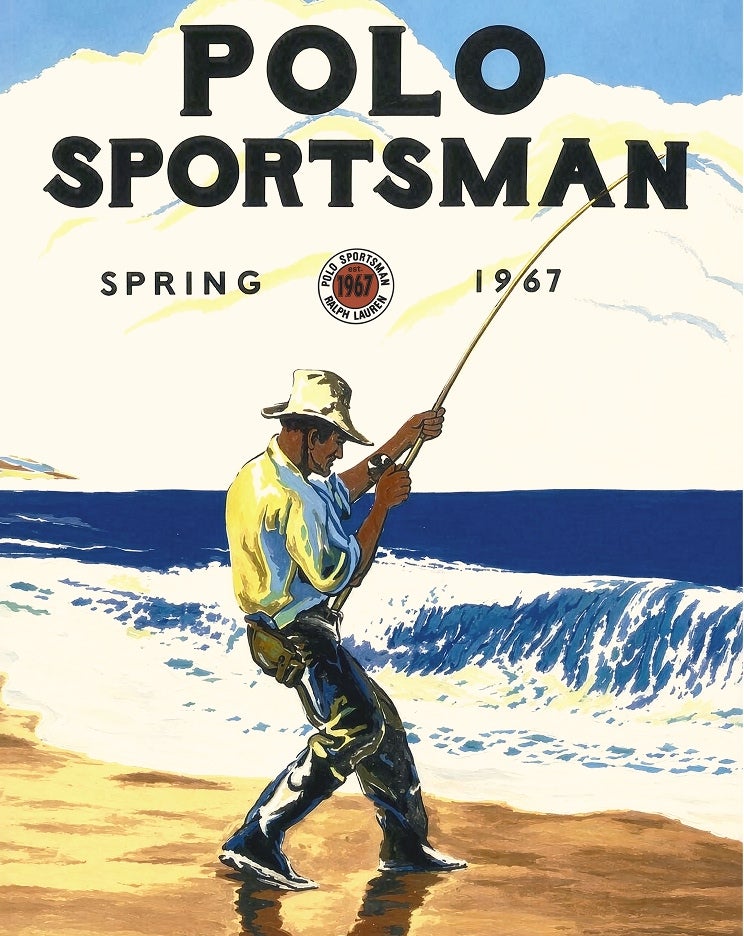
The Art of Polo
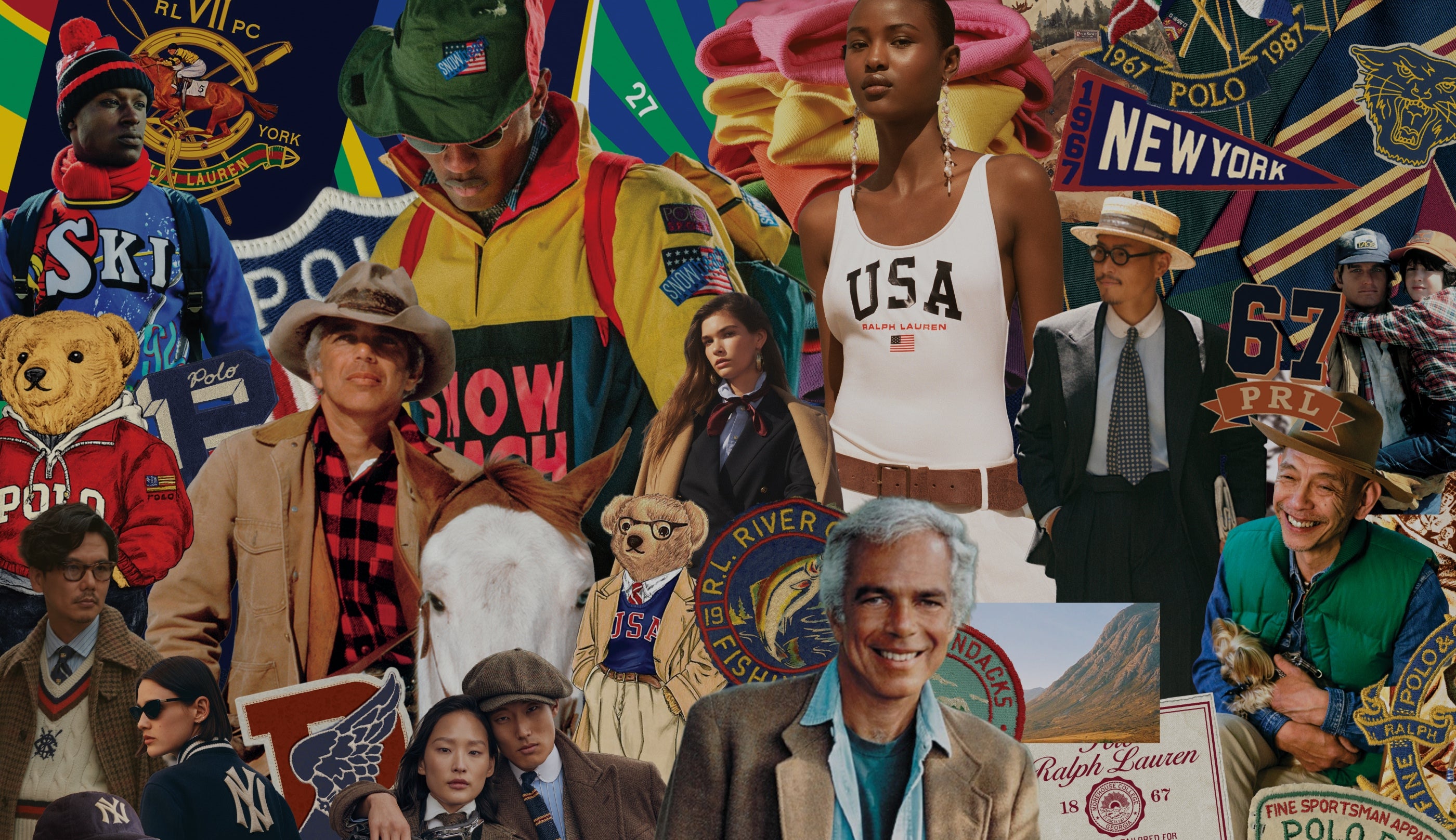
Placing classic Polo visuals in a new context.